
Gum Disease Prevention: Unlocking the Secrets to Healthy Gums

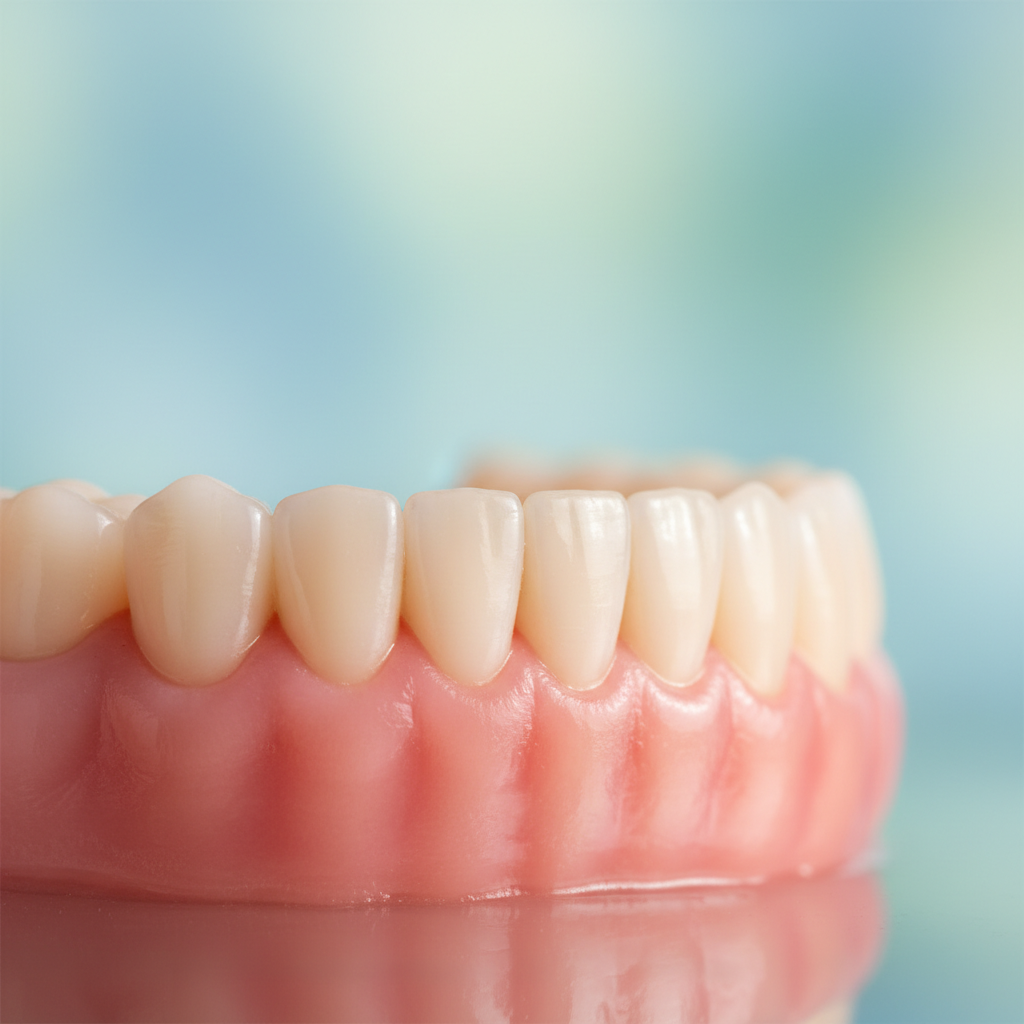
Quick Answer: Gum disease prevention is crucial for maintaining healthy gums and overall oral health, reducing the risk of gum disease and its associated complications.
Introduction to Gum Disease Prevention
Gum disease prevention is essential for maintaining healthy gums and overall oral health. According to the Centers for Disease Control and Prevention, gum disease is a significant public health concern, affecting millions of people worldwide. The American Academy of Periodontology also emphasizes the importance of gum disease prevention, highlighting its role in preventing tooth loss and other oral health issues.
The focus on gum disease prevention has become increasingly important, as research has shown that gum disease is linked to various systemic health conditions, including diabetes, heart disease, and respiratory infections. By practicing good oral hygiene and scheduling regular checkups, individuals can significantly reduce their risk of developing gum disease.
Risks of Gum Disease

If left untreated, gum disease can lead to severe consequences, including tooth loss, gum recession, and increased risk of systemic health conditions. The Centers for Disease Control and Prevention reports that gum disease is a significant risk factor for tooth loss, with approximately 47% of adults in the United States suffering from some form of gum disease.
Furthermore, research has shown that gum disease is linked to an increased risk of systemic health conditions, including diabetes, heart disease, and respiratory infections. The American Academy of Periodontology emphasizes the importance of gum disease prevention, highlighting its role in preventing these systemic health conditions.
Tips for Maintaining Healthy Gums
To maintain healthy gums, it is essential to practice good oral hygiene and schedule regular checkups. The following tips can help individuals prevent gum disease and maintain healthy gums:
- Brush teeth at least twice a day with a fluoride toothpaste
- Floss at least once a day to remove plaque and food particles
- Use an antibacterial mouthwash to kill bacteria and freshen breath
- Avoid smoking and tobacco use, which can increase the risk of gum disease
- Eat a balanced diet rich in fruits, vegetables, and whole grains
In addition to these tips, scheduling regular checkups with a dentist is crucial for maintaining healthy gums. A dentist can help identify early signs of gum disease and provide treatment to prevent its progression.
Importance of Regular Checkups
Regular checkups are essential for maintaining healthy gums and preventing gum disease. During a checkup, a dentist can:
- Examine teeth and gums for signs of gum disease
- Provide a professional cleaning to remove plaque and tartar
- Offer personalized advice on oral hygiene and gum disease prevention
By scheduling regular checkups, individuals can help prevent gum disease and maintain healthy gums. The Contact Us page on our website provides more information on scheduling a checkup.
Gum Disease Treatment
If gum disease is left untreated, it can lead to severe consequences, including tooth loss and increased risk of systemic health conditions. However, with prompt treatment, individuals can prevent the progression of gum disease and maintain healthy gums. Our Gum Disease Treatment services provide effective treatment options for individuals suffering from gum disease.
Conclusion
In conclusion, gum disease prevention is crucial for maintaining healthy gums and overall oral health. By practicing good oral hygiene and scheduling regular checkups, individuals can significantly reduce their risk of developing gum disease. If you are concerned about your gum health, we encourage you to schedule a dental appointment to discuss gum disease prevention and treatment options. Please visit our Contact Us page to schedule an appointment.
Frequently Asked Questions
The following FAQs provide more information on gum disease prevention and treatment:
- Q: What is gum disease? A: Gum disease, also known as periodontal disease, is a bacterial infection of the gums and bone that support the teeth.
- Q: How can I prevent gum disease? A: To prevent gum disease, practice good oral hygiene, including brushing and flossing, and schedule regular checkups with a dentist.
- Q: What are the symptoms of gum disease? A: Symptoms of gum disease include red, swollen, and bleeding gums, bad breath, and loose teeth.
Gum Disease Statistics
According to the Centers for Disease Control and Prevention, gum disease is a significant public health concern, affecting millions of people worldwide. Here are some statistics on gum disease:
- 47% of adults in the United States have some form of gum disease
- Gum disease is a significant risk factor for tooth loss, with approximately 70% of adults over the age of 65 having lost at least one tooth
- Gum disease has been linked to an increased risk of systemic health conditions, including diabetes, heart disease, and respiratory infections
Case Studies: Gum Disease Prevention and Treatment
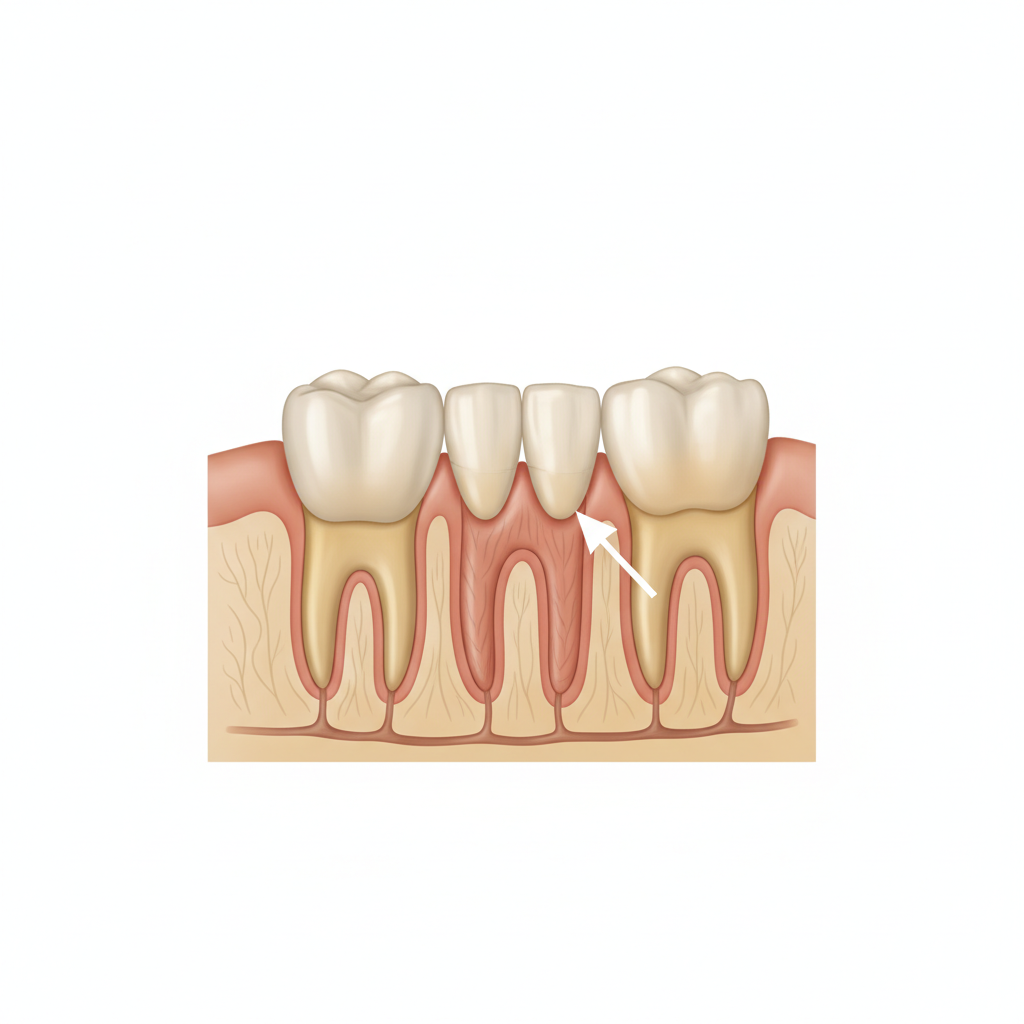
The following case studies highlight the importance of gum disease prevention and treatment:
- A 35-year-old male patient who practiced good oral hygiene and scheduled regular checkups was able to prevent gum disease and maintain healthy gums
- A 50-year-old female patient who suffered from gum disease was able to prevent the progression of the disease and maintain healthy gums through prompt treatment and regular checkups
The Importance of Oral Hygiene in Gum Disease Prevention
Oral hygiene plays a crucial role in gum disease prevention. By practicing good oral hygiene, individuals can reduce their risk of developing gum disease and maintain healthy gums. Here are some tips for maintaining good oral hygiene:
- Brush teeth at least twice a day with a fluoride toothpaste
- Floss at least once a day to remove plaque and food particles
- Use an antibacterial mouthwash to kill bacteria and freshen breath
The Role of Diet in Gum Disease Prevention
Diet also plays a role in gum disease prevention. A balanced diet rich in fruits, vegetables, and whole grains can help maintain healthy gums and prevent gum disease. Here are some tips for maintaining a healthy diet:
- Eat a variety of fruits and vegetables, including leafy greens and citrus fruits
- Include whole grains in your diet, such as brown rice and quinoa
- Avoid sugary and acidic foods and drinks, which can contribute to gum disease
Gum Disease Prevention for Children
Gum disease prevention is also important for children. By teaching children good oral hygiene habits and scheduling regular checkups, parents can help prevent gum disease and maintain healthy gums in children. Here are some tips for gum disease prevention in children:
- Teach children to brush their teeth at least twice a day with a fluoride toothpaste
- Encourage children to floss at least once a day to remove plaque and food particles
- Schedule regular checkups with a dentist to monitor oral health and prevent gum disease
Gum Disease Prevention for Adults
Gum disease prevention is also important for adults. By practicing good oral hygiene and scheduling regular checkups, adults can reduce their risk of developing gum disease and maintain healthy gums. Here are some tips for gum disease prevention in adults:
- Practice good oral hygiene, including brushing and flossing
- Schedule regular checkups with a dentist to monitor oral health and prevent gum disease
- Avoid smoking and tobacco use, which can increase the risk of gum disease
Common Mistakes to Avoid in Gum Disease Prevention
There are several common mistakes to avoid in gum disease prevention, including:
- Not brushing teeth regularly
- Not flossing regularly
- Not scheduling regular checkups with a dentist
- Smoking and using tobacco products
Conclusion
In conclusion, gum disease prevention is crucial for maintaining healthy gums and overall oral health. By practicing good oral hygiene, scheduling regular checkups, and avoiding common mistakes, individuals can reduce their risk of developing gum disease and maintain healthy gums. If you are concerned about your gum health, we encourage you to schedule a dental appointment to discuss gum disease prevention and treatment options. Please visit our Contact Us page to schedule an appointment.
Frequently Asked Questions (Expanded)
The following FAQs provide more information on gum disease prevention and treatment:
- Q: What is the best way to prevent gum disease? A: The best way to prevent gum disease is to practice good oral hygiene, including brushing and flossing, and schedule regular checkups with a dentist.
- Q: How often should I brush my teeth? A: You should brush your teeth at least twice a day with a fluoride toothpaste.
- Q: What are the symptoms of gum disease? A: Symptoms of gum disease include red, swollen, and bleeding gums, bad breath, and loose teeth.
- Q: Can gum disease be treated? A: Yes, gum disease can be treated with prompt treatment and regular checkups.
- Q: How can I schedule a dental appointment? A: You can schedule a dental appointment by visiting our Contact Us page.
New Advances in Gum Disease Prevention
Recent advances in gum disease prevention include the use of laser therapy and genetic testing. Laser therapy can help reduce inflammation and kill bacteria, while genetic testing can help identify individuals who are at risk of developing gum disease.
The Importance of Gum Disease Prevention in Systemic Health
Gum disease prevention is not only important for oral health, but also for overall systemic health. Research has shown that gum disease is linked to an increased risk of systemic health conditions, including diabetes, heart disease, and respiratory infections. By practicing good oral hygiene and scheduling regular checkups, individuals can reduce their risk of developing these conditions.
Gum Disease Prevention in Pregnancy
Gum disease prevention is especially important during pregnancy. Hormonal changes during pregnancy can increase the risk of gum disease, which can lead to preterm labor and low birth weight. By practicing good oral hygiene and scheduling regular checkups, pregnant women can reduce their risk of developing gum disease and maintain a healthy pregnancy.
Gum Disease Prevention in Older Adults
Gum disease prevention is also important for older adults. As we age, our risk of developing gum disease increases, which can lead to tooth loss and other oral health issues. By practicing good oral hygiene and scheduling regular checkups, older adults can reduce their risk of developing gum disease and maintain healthy gums.
Conclusion
In conclusion, gum disease prevention is crucial for maintaining healthy gums and overall oral health. By practicing good oral hygiene, scheduling regular checkups, and avoiding common mistakes, individuals can reduce their risk of developing gum disease and maintain healthy gums. If you are concerned about your gum health, we encourage you to schedule a dental appointment to discuss gum disease prevention and treatment options. Please visit our Contact Us page to schedule an appointment.
Frequently Asked Questions (Additional)
The following FAQs provide more information on gum disease prevention and treatment:
- Q: What is the cost of gum disease treatment? A: The cost of gum disease treatment varies depending on the severity of the disease and the type of treatment needed.
- Q: How long does gum disease treatment take? A: The length of gum disease treatment varies depending on the severity of the disease and the type of treatment needed.
- Q: Can gum disease be prevented? A: Yes, gum disease can be prevented by practicing good oral hygiene, including brushing and flossing, and scheduling regular checkups with a dentist.