
Emergency Dental Care: A Comprehensive Guide to Managing Toothaches


What is Emergency Dental Care?
We’ve all been there – a sudden, searing toothache that just won’t quit. That’s where emergency dental care comes in. It’s the immediate attention and treatment you need for toothaches, dental injuries, and other oral health issues that can’t wait for a routine dental appointment. Severe tooth pain, bleeding, or swelling in your mouth? You need emergency dental care, pronto.
Check out the Toothache Symptoms and Causes via Mayo Clinic to learn more about what might be causing your toothache. And don’t wait – visit a dentist ASAP to prevent further complications.
Why is Emergency Dental Care Important?
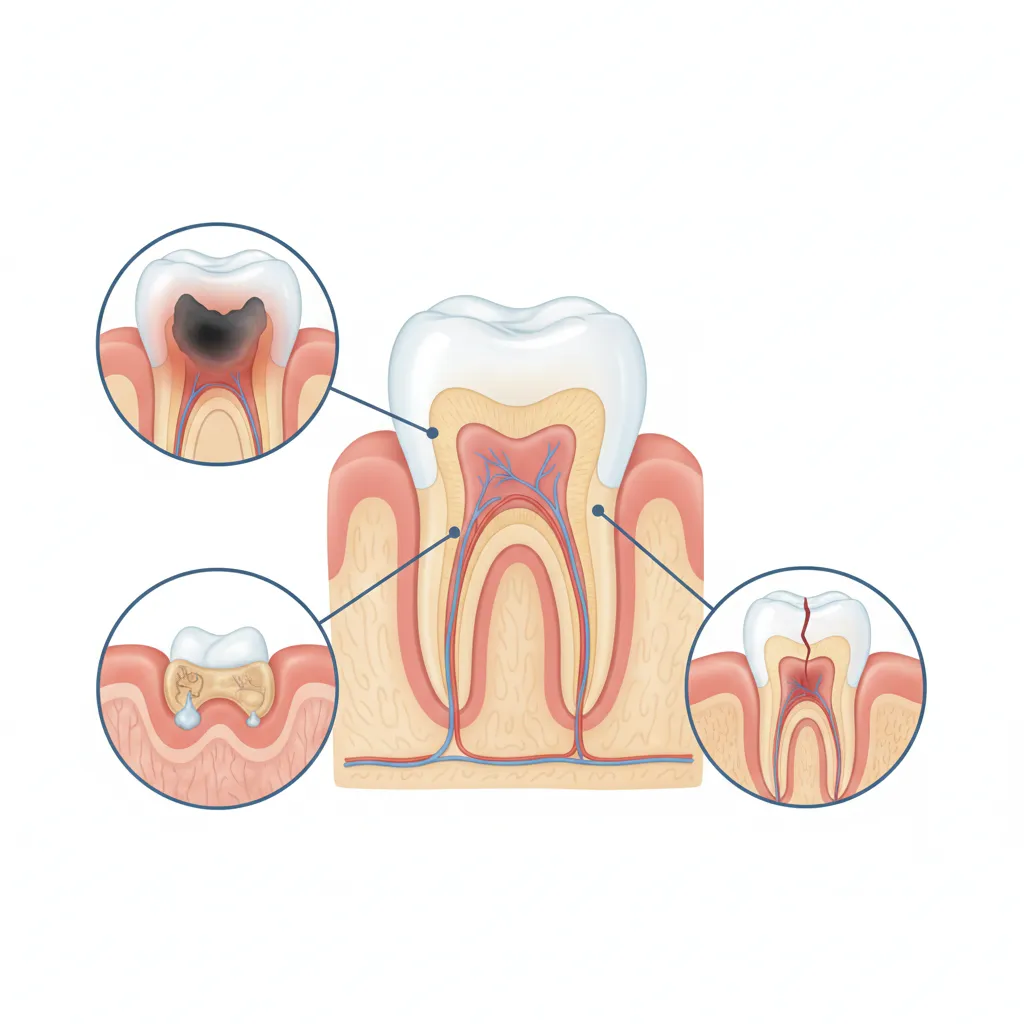
Emergency dental care is vital. If you don’t get the help you need, toothaches and dental injuries can lead to more severe issues – we’re talking abscesses, infections, and even tooth loss. By seeking emergency dental care, you can prevent these complications and get the necessary treatment to alleviate your pain and discomfort.
At Optima Dental, we get it. Our experienced dentists and staff are equipped to handle various dental emergencies, from toothaches to dental injuries.
What are the Common Causes of Toothaches?
Toothaches can be caused by a variety of factors – tooth decay, gum disease, cracked teeth, and dental injuries, to name a few. If you’re experiencing a toothache, it’s crucial to identify the underlying cause to receive the proper treatment. Our dentists at Optima Dental can help you determine the cause of your toothache and provide the necessary treatment to alleviate your pain.
Did you know that, according to the National Institutes of Health, tooth decay is one of the most common causes of toothaches? By practicing good oral hygiene and visiting your dentist regularly, you can prevent tooth decay and reduce the risk of toothaches.
How to Manage Toothaches and Dental Emergencies
So, what can you do if you’re experiencing a toothache or dental emergency? First, rinse your mouth with warm water to remove any debris or bacteria. You can also use a cold compress to reduce swelling and ease pain.
Over-the-counter pain relievers like ibuprofen or acetaminophen can help alleviate toothache pain. Just be sure to follow the recommended dosage and consult your dentist before taking any medication.
Emergency Dental Care Options
We offer a range of emergency dental care options at Optima Dental. Our services include tooth extractions, root canals, and dental fillings. We also provide emergency dental care for dental injuries, such as chipped or cracked teeth.
Don’t hesitate to contact us if you’re experiencing a dental emergency. We’re available 24/7 to provide you with the necessary care and attention. You can visit our website at Schedule a Dental Exam to book an appointment or learn more about our emergency dental care services.
Pain Management Tips
Managing toothache pain can be tough, but there are several tips you can follow to alleviate your discomfort. Avoid eating or drinking hot or cold foods and beverages, as they can exacerbate the pain. You can also use a desensitizing toothpaste to reduce tooth sensitivity.
Avoid chewing or biting on the affected tooth, as this can cause further irritation and pain. If you’re experiencing swelling or inflammation, you can use a cold compress to reduce the swelling and ease the pain.
The Importance of Regular Dental Check-Ups
Regular dental check-ups are crucial in preventing toothaches and dental emergencies. By visiting your dentist regularly, you can identify potential issues before they become major problems. Our dentists at Optima Dental can help you prevent tooth decay, gum disease, and other oral health issues.
During a dental check-up, our dentists will examine your teeth and gums to identify any signs of decay or disease. We’ll also provide you with personalized advice on how to maintain good oral hygiene and prevent future dental problems.
Statistics on Emergency Dental Care
The numbers are startling. According to the American Dental Association (ADA), over 40% of adults in the United States have experienced a toothache at some point in their lives. And emergency dental visits account for approximately 10% of all dental visits.
These statistics highlight the importance of emergency dental care and the need for prompt attention in case of a dental emergency. By seeking emergency dental care, you can prevent further complications and get the necessary treatment to alleviate your pain and discomfort.
Illustrative Scenarios
The scenarios below are illustrative composites used to explain how treatment works; they do not describe specific patients.
Dental emergencies tend to follow a few recognisable patterns. Take a patient who experienced a severe toothache due to a cracked tooth. We provided him with emergency dental care, including a root canal and dental filling, to alleviate his pain and prevent further complications.
Another patient, Sarah, experienced a dental injury while playing sports. We provided her with emergency dental care, including a tooth extraction and dental implant, to restore her smile and prevent further complications.
Frequently Asked Questions
Here are some frequently asked questions about emergency dental care:
- Q: What is considered a dental emergency? A: A dental emergency is any situation that requires immediate attention and treatment, such as a toothache, dental injury, or swelling in the mouth.
- Q: How can I manage toothache pain? A: You can manage toothache pain by rinsing your mouth with warm water, using a cold compress, and taking over-the-counter pain relievers.
- Q: What are the common causes of toothaches? A: Toothaches can be caused by tooth decay, gum disease, cracked teeth, and dental injuries.
- Q: How often should I visit my dentist for a check-up? A: You should visit your dentist for a check-up at least twice a year to prevent toothaches and dental emergencies.
- Q: What are the benefits of regular dental check-ups? A: Regular dental check-ups can help prevent tooth decay, gum disease, and other oral health issues, as well as identify potential problems before they become major issues.
- Q: What should I do if I experience a dental emergency? A: If you experience a dental emergency, contact your dentist immediately for guidance and treatment.
- Q: Can I prevent dental emergencies? A: Yes, you can prevent dental emergencies by practicing good oral hygiene, visiting your dentist regularly, and avoiding habits that can damage your teeth, such as chewing on ice or using your teeth as tools.
Common Dental Emergencies
Dental emergencies can happen at any time, and it’s essential to be prepared. Some common dental emergencies include toothaches, dental injuries, abscesses, and lost fillings.
Dental Emergency Prevention Tips
While dental emergencies can occur at any time, there are several steps you can take to prevent them. Practice good oral hygiene, visit your dentist regularly, and avoid habits that can damage your teeth – like chewing on ice or using your teeth as tools.
Emergency Dental Care for Children
Children can experience dental emergencies, just like adults. Common dental emergencies in children include toothaches, dental injuries, and lost teeth.
Emergency Dental Care for Adults
Adults can experience dental emergencies, too. Common dental emergencies in adults include toothaches, dental injuries, and abscesses.
What to Expect During an Emergency Dental Visit
If you experience a dental emergency, it’s essential to contact your dentist immediately for guidance and treatment. During an emergency dental visit, your dentist will evaluate your condition, provide pain relief, and perform emergency procedures – like a root canal or tooth extraction – to address your condition.