
Discover the Benefits of Dental Implants for Missing Teeth


Dental implants – they’re a game-changer for missing teeth. We’ve seen it time and time again: a durable, natural-looking solution that restores chewing and speaking function. They can last up to 25 years or more with proper care. That’s a long time to enjoy your favorite foods and speak with confidence.
What Are Dental Implants?
So, what exactly are dental implants? They’re artificial tooth roots made of titanium, surgically implanted into the jawbone to support a crown, bridge, or denture. Designed to mimic the natural tooth structure, they provide a stable and comfortable fit. You’ll forget you ever had missing teeth.
How Do Dental Implants Compare to Other Tooth Replacement Options?
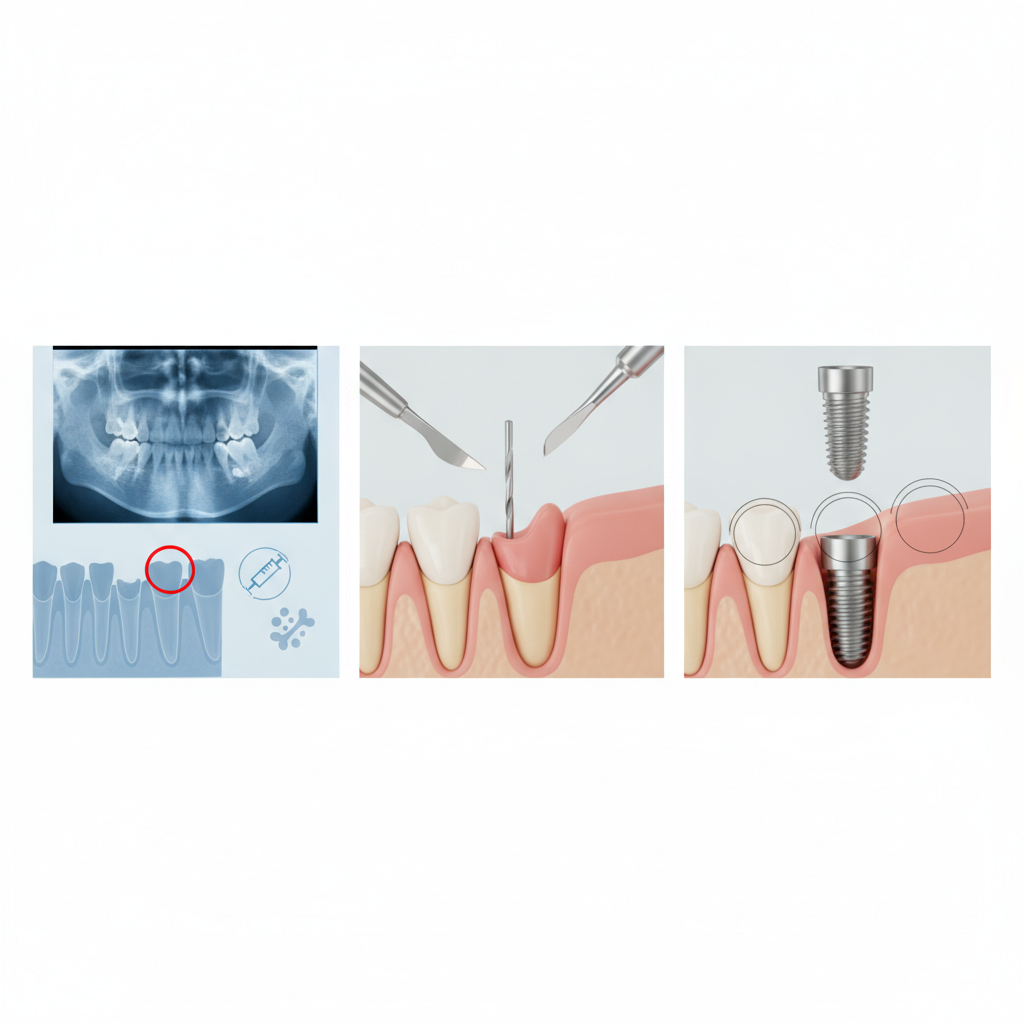
Compared to dentures or bridges, dental implants offer several advantages. They’re more durable, requiring less maintenance and repair. They also preserve the surrounding bone and tissue, preventing further tooth loss. According to the American Dental Association, dental implants have a success rate of over 95%. That’s impressive.
Benefits of Dental Implants
The benefits are numerous. You’ll be able to restore chewing and speaking function, enjoy your favorite foods, and communicate with confidence. You’ll preserve the surrounding bone and tissue, preventing further tooth loss. And, you’ll get a natural-looking and feeling solution that boosts your self-esteem and overall quality of life.
- Restore chewing and speaking function
- Preserve surrounding bone and tissue
- Provide a natural-looking solution
- Last for many years – up to 25 years or more with proper care
A study by the Mayo Clinic found that dental implants can improve overall oral health and reduce the risk of further tooth loss. That’s a win-win.
Are Dental Implants Right for You?
If you’re considering dental implants, schedule a consultation with a qualified dentist. They’ll assess your oral health and determine if implants are the best solution for your needs. At Dental Implants Services, our experienced team will guide you through the process and answer any questions you may have.
Frequently Asked Questions
We get a lot of questions about dental implants. Here are some answers:
- Q: How much do dental implants cost? A: The cost varies, but they’re a worthwhile investment in your oral health and overall quality of life.
- Q: Are dental implants painful? A: Some discomfort is normal, but most patients report minimal pain and discomfort.
- Q: How long does the implant procedure take? A: Several months, including the initial consultation, surgery, and follow-up appointments.
- Q: Can anyone get dental implants? A: Most people are eligible, but certain health conditions may affect your suitability.
- Q: How do I care for my dental implants? A: Brush and floss regularly, and schedule regular check-ups with your dentist.
Ready to restore your smile and confidence? Schedule a consultation with us today by visiting our Contact Us page.
Dental Implant Procedure: A Step-by-Step Guide
The procedure typically involves several steps:
- Initial consultation
- Surgery
- Healing
- Abutment placement
- Crown or bridge placement
Dental Implant Types: Which One is Right for You?
There are several types of dental implants available, including endosteal, subperiosteal, and transosteal implants. Your dentist will help you determine which one is best for your needs.
- Endosteal implants: inserted directly into the jawbone
- Subperiosteal implants: placed on top of the jawbone
- Transosteal implants: inserted through the jawbone and into the surrounding tissue
Dental Implant Materials: What You Need to Know

Dental implants are typically made from titanium or zirconia. Both materials have their advantages and disadvantages. Your dentist will help you decide which one is best for you.
- Titanium implants: strong and durable
- Zirconia implants: aesthetic appeal and biocompatibility
The Benefits of Dental Implants for Overall Health
Dental implants can have a significant impact on your overall health and wellbeing. By restoring your ability to chew and speak properly, you can improve your nutrition, boost your self-esteem, and reduce your risk of chronic diseases.
- Improve nutrition
- Boost self-esteem
- Reduce risk of chronic diseases
Real-Life Examples of Dental Implants in Action
We’ve seen dental implants change lives. Here are some real-life examples:
- A 45-year-old woman regained her confidence and self-esteem with dental implants.
- A 65-year-old man restored his smile and ability to eat his favorite foods with dental implants.
- A 30-year-old woman achieved a beautiful and functional smile with dental implants.
Statistics on Dental Implants
Here are some statistics on dental implants:
- Over 3 million people in the United States have dental implants.
- The success rate of dental implants is over 95%.
- Dental implants can last up to 25 years or more with proper care.
- The cost of dental implants can range from $1,000 to $5,000 per implant.
Conclusion
Dental implants are a popular and effective solution for missing teeth. They offer a durable and natural-looking solution that can restore chewing and speaking function, preserve surrounding bone and tissue, and boost self-esteem.
Additional Resources
Here are some additional resources on dental implants:
Dental Implant Maintenance and Care

To ensure the longevity and success of your dental implants, practice good oral hygiene and maintenance. This includes brushing and flossing regularly, and scheduling regular check-ups with your dentist.
- Brush your teeth at least twice a day
- Floss daily
- Schedule regular check-ups with your dentist
The Role of Dental Implants in Smile Restoration
Dental implants play a crucial role in smile restoration. They can replace missing teeth, preserve surrounding bone and tissue, and boost self-esteem.
- Replace missing teeth
- Preserve surrounding bone and tissue
- Boost self-esteem
Dental Implants and Overall Health: The Connection
There’s a strong connection between oral health and overall health. Dental implants can help reduce the risk of chronic diseases, improve nutrition and digestion, and boost self-esteem and mental health.
- Reduce risk of chronic diseases
- Improve nutrition and digestion
- Boost self-esteem and mental health
What to Expect During the Dental Implant Procedure
The dental implant procedure typically involves several steps, including initial consultation, surgery, healing, abutment placement, and crown or bridge placement.
- Initial consultation
- Surgery
- Healing
- Abutment placement
- Crown or bridge placement
During the procedure, you can expect some discomfort, but this can be managed with pain medication and sedation.
The Importance of Choosing a Qualified Dentist
Choosing a qualified dentist is essential for the success of your dental implant procedure. Look for a dentist with experience, high-quality materials, and personalized care.
- Experience with dental implants
- High-quality materials
- Personalized care
Dental Implant Failure: What You Need to Know
While dental implants are highly successful, there is a small risk of failure. This can be due to inadequate bone density, poor oral hygiene, or smoking.
- Inadequate bone density
- Poor oral hygiene
- Smoking
If you experience any symptoms of implant failure, contact your dentist immediately.
FAQs: Additional Questions and Answers
Here are some additional questions and answers about dental implants:
- Q: Can I get dental implants if I have gum disease? A: Yes, but your dentist will need to treat the gum disease first.
- Q: Can I get dental implants if I have a weak jawbone? A: Yes, but your dentist may need to use a bone graft or other techniques to strengthen the jawbone.
- Q: How long does it take to recover from the implant procedure? A: The recovery time varies, but most people can return to their normal activities within a few days.