
Dental Implants vs Dentures: Choosing the Best Tooth Replacement Option

Introduction to Tooth Replacement
Dental implants and dentures are two popular options for tooth replacement. You’ll want to consider the benefits and drawbacks of each before making a decision. At Optima Dental, our experienced dentists can help you determine the best option for your needs.
Let’s start with the basics: dental implants are artificial tooth roots that are surgically implanted into the jawbone to support a crown or bridge. On the other hand, dentures are removable appliances that replace missing teeth. To Learn more about Dental Implants at Optima Dental, you can visit our website.
What are Dental Implants?
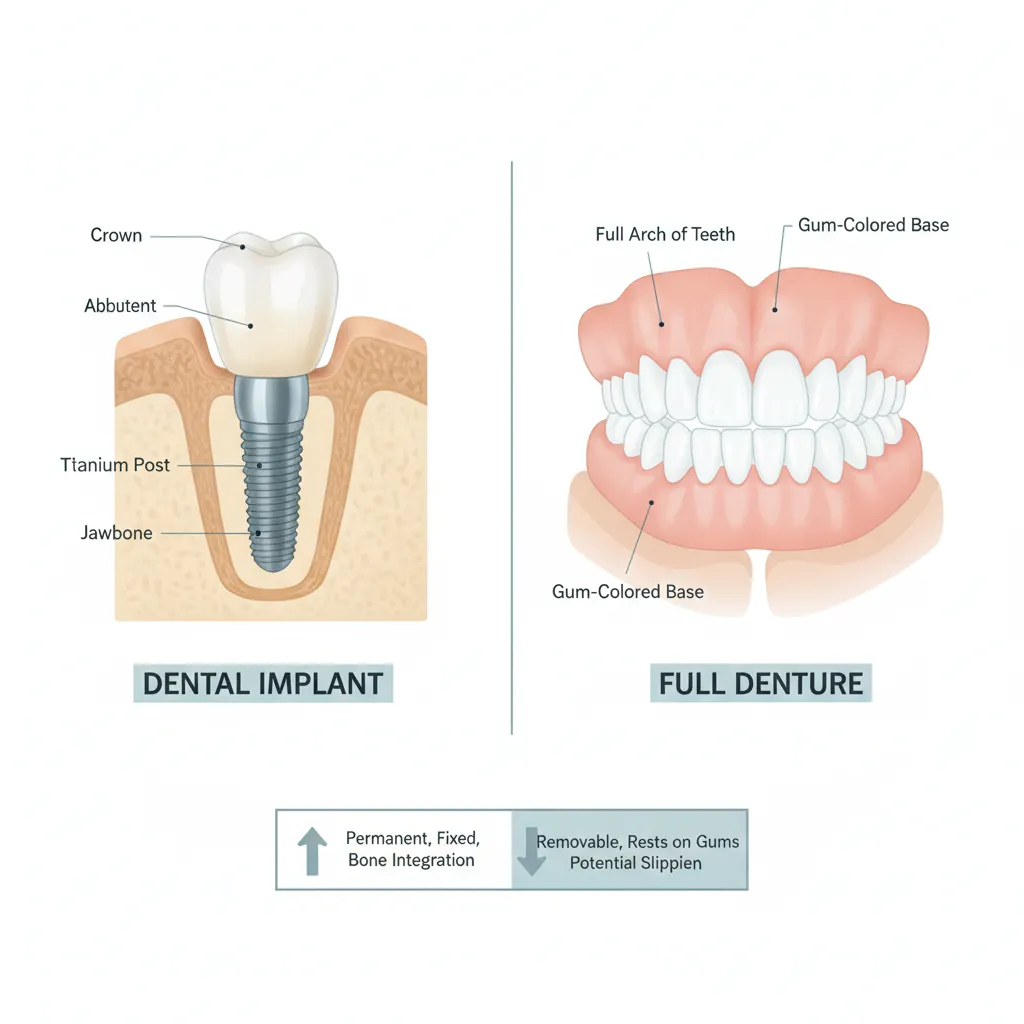
Dental implants are a popular choice for tooth replacement because they offer a natural look and feel. They’re also durable and long-lasting, with a success rate of over 95%, according to the National Institutes of Health. One of the main benefits of dental implants is that they preserve the jawbone and prevent bone loss.
However, dental implants can be expensive and require a surgical procedure. Additionally, not all patients are good candidates for dental implants, as they require a sufficient amount of jawbone to support the implant.
What are Dentures?
Dentures, on the other hand, are a more affordable option for tooth replacement. They’re also less invasive than dental implants, as they don’t require surgery. However, dentures can be uncomfortable and may require adjustments over time. They can also affect the taste of food and speech.
There are two main types of dentures: full and partial. Full dentures replace all the teeth in the upper or lower jaw, while partial dentures replace only a few missing teeth. To learn more about the services offered by Optima Dental, including dentures and dental implants, visit our About Optima Dental page.
Dental Implants vs Dentures: A Comparison
So, how do dental implants and dentures compare? Here’s a table summarizing the key differences:
| Option | Cost | Procedure | Durability |
|---|---|---|---|
| Dental Implants | Expensive | Surgical | Long-lasting |
| Dentures | Affordable | Non-invasive | Less durable |
As you can see, dental implants are a more expensive and invasive option, but they offer a more natural look and feel. Dentures, on the other hand, are a more affordable and non-invasive option, but they may not be as comfortable or durable.
Real-Life Scenarios: When to Choose Dental Implants or Dentures
So, when should you choose dental implants or dentures? Let’s consider a few real-life scenarios:
- If you’re missing a single tooth, a dental implant may be the best option. This is because implants can preserve the jawbone and prevent bone loss.
- If you’re missing multiple teeth, dentures may be a more affordable option. However, if you have a sufficient amount of jawbone, dental implants may still be a viable option.
- If you have a limited budget, dentures may be the best option. However, keep in mind that dentures may require adjustments over time and may not be as comfortable as dental implants.
For more information on dental implants and dentures, you can visit the American Dental Association website.
Benefits of Dental Implants Over Time
Longitudinal studies show that patients with dental implants experience less bone resorption than those who wear traditional dentures. A 10‑year study published in the Journal of Oral Implantology reported an average bone loss of only 0.5 mm around implants, compared with up to 4 mm loss in denture wearers. This preservation of bone not only maintains facial structure but also reduces the likelihood of future oral surgery.
Additionally, implants improve chewing efficiency by up to 95%, according to data from the American Academy of Periodontology. This translates into better nutrition, especially for older adults who might otherwise avoid hard-to-chew foods like apples, carrots, or nuts.
Advancements in Implant Technology
Modern implant dentistry has benefited from several technological breakthroughs:
- Computer‑Guided Surgery: Using 3‑D CBCT scans, clinicians can plan implant placement with sub‑millimeter accuracy, reducing surgery time and post‑operative discomfort.
- Surface Modifications: Nano‑textured titanium surfaces promote faster osseointegration, cutting healing periods from six months down to as little as eight weeks.
- Zirconia Implants: For patients with metal sensitivities, zirconia offers a biocompatible, tooth‑colored alternative that blends seamlessly with natural dentition.
These innovations have broadened the candidate pool, allowing patients with thinner bone or mild systemic conditions to benefit from implants.
Cost‑Benefit Analysis: Short‑Term vs. Long‑Term Investment
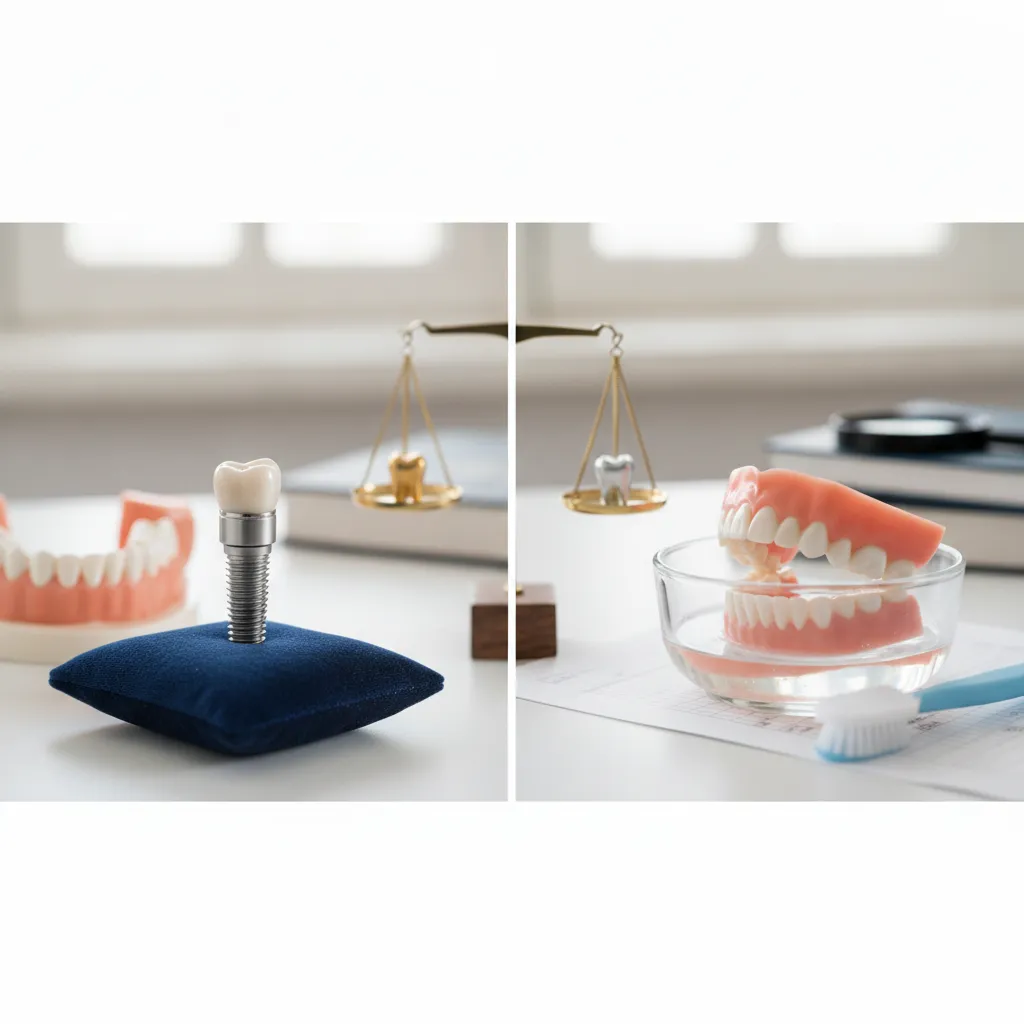
While the upfront cost of implants appears higher, a comprehensive cost‑benefit analysis often favors implants over a patient’s lifetime. Consider the following simplified example (based on 2023 US average pricing):
| Option | Initial Cost (per tooth) | Average Lifespan | Maintenance Cost (10 years) | Total 10‑Year Cost |
|---|---|---|---|---|
| Dental Implant | $3,200 | 20–30 years (often lifetime) | $200 (annual check‑ups) | $3,400 |
| Partial Denture | $1,200 | 5–7 years (often need replacement) | $500 (adjustments, relines) | $1,700 |
| Full Denture | $2,800 | 5–10 years | $800 (reline/repair) | $3,600 |
When you factor in the need for replacement or major repairs, implants frequently emerge as the more economical choice over a 20‑year horizon.
Illustrative Patient Scenarios
The scenarios below are illustrative composites used to explain how treatment works; they do not describe specific patients.
Case Study 1 – Sarah, 42: Sarah lost her upper left first premolar in a sports accident. After a thorough bone assessment, she received a single‑stage titanium implant. Six months later, a custom crown restored her smile. Follow‑up X‑rays showed 99 % bone integration, and Sarah reports being able to eat steak without discomfort.
Case Study 2 – James, 68: James struggled with ill‑fitting full dentures that caused sore spots and speech issues. Optima Dental performed a bone‑grafting procedure followed by six strategically placed implants to support an implant‑over‑denture. Within three months, James experienced a 70 % reduction in gum irritation and regained confidence in public speaking.
These stories illustrate how personalized treatment plans can dramatically improve quality of life, regardless of age.
Maintenance and Care for Implants and Dentures
Proper oral hygiene extends the life of both implants and dentures. Recommended practices include:
- Brush twice daily with a soft‑bristle toothbrush and fluoride toothpaste.
- Floss or use interdental brushes around implants to remove plaque from the abutment connection.
- Clean dentures nightly with a non‑abrasive denture cleanser and soak them in water to prevent warping.
- Schedule professional cleanings every six months; implant patients may need a specialized de‑scaling procedure.
Neglecting maintenance can lead to peri‑implantitis—a gum infection that affects up to 15 % of implants, according to the European Federation of Periodontology. Early detection and intervention are key to preserving implant health.
Choosing the Right Provider
Not all dental practices offer the same level of expertise. When selecting a provider for implants or dentures, consider the following criteria:
- Board Certification: Look for dentists who are certified in oral surgery or prosthodontics.
- Technology: Practices that invest in CBCT imaging and CAD/CAM milling can deliver more precise outcomes.
- Patient Reviews: Consistently high ratings and before‑after portfolios demonstrate real‑world success.
- Continuing Education: Surgeons who attend annual implant conferences stay current with emerging techniques.
Optima Dental meets all of these standards, with a team of specialists dedicated to personalized treatment planning.
Insurance and Financing Options
Understanding coverage can make a significant difference in out‑of‑pocket costs. While many dental insurance plans cover a portion of denture expenses, implant coverage is more variable. However, several financing programs exist:
- CareCredit: Offers interest‑free periods up to 24 months for qualified patients.
- In‑house payment plans: Optima Dental provides flexible monthly installments with no hidden fees.
- Health Savings Accounts (HSAs) and Flexible Spending Accounts (FSAs): These tax‑advantaged accounts can be used for both implants and dentures.
Our staff can help you navigate insurance benefits, submit pre‑authorization requests, and set up a payment schedule that fits your budget.
Frequently Asked Questions
Here are some frequently asked questions about dental implants and dentures:
Q: How long do dental implants last? A: Dental implants can last for many years, even decades, with proper care and maintenance.
Q: Are dentures comfortable? A: Dentures can be uncomfortable, especially when they’re first fitted. However, they can be adjusted over time to improve comfort.
Q: Can I eat normally with dental implants or dentures? A: Yes, you can eat normally with both dental implants and dentures. However, you may need to avoid certain foods that are hard or sticky.
Q: How much do dental implants and dentures cost? A: The cost of dental implants and dentures varies depending on the location, materials, and complexity of the procedure. However, on average, dental implants can cost between $1,000 to $5,000 per tooth, while dentures can cost between $500 to $5,000.
Q: Are dental implants and dentures covered by insurance? A: Some insurance plans may cover part or all of the cost of dental implants and dentures. However, it’s best to check with your insurance provider to see what’s covered.
Additional Frequently Asked Questions
Q: What is the typical healing time after implant surgery? A: Most patients experience a healing period of 3‑6 months before the permanent crown is placed. With newer “immediate load” protocols, some patients receive a temporary crown on the day of surgery.
Q: Can smokers receive dental implants? A: Smoking can impair bone healing and increase the risk of implant failure. Many clinicians recommend quitting smoking at least two weeks prior to surgery and throughout the healing phase.
Q: How often do dentures need to be relined? A: As the jawbone remodels, dentures may lose fit. On average, a relining is recommended every 1‑2 years, though some patients need adjustments sooner.
Q: What are the signs of peri‑implantitis? A: Common symptoms include redness, swelling, bleeding on probing, and a persistent bad taste. Early detection allows for non‑surgical cleaning and antibiotic therapy.
Q: Is there a difference between “implant‑supported dentures” and traditional dentures? A: Yes. Implant‑supported dentures are anchored to implants, providing greater stability, reduced movement, and improved chewing efficiency compared with conventional suction‑fit dentures.