
Understanding Dental Implants Cost: Restore Your Smile


Dental implants can range from $1,000 to $5,000 per tooth, depending on the location, dentist, and type of implant. The cost of dental implants is a significant investment, but it can be a life-changing restorative treatment for those who have lost teeth due to injury, decay, or gum disease.
Factors Affecting the Cost of Dental Implants
The cost of dental implants can vary depending on several factors, including the location of the dental practice, the experience and qualifications of the dentist, and the type of implant used. For example, a dental implant procedure performed by a highly experienced dentist in a major city may be more expensive than one performed by a less experienced dentist in a smaller town.
Additionally, the cost of dental implants can also depend on the type of implant used. There are several types of dental implants available, including traditional implants, mini implants, and implant-supported dentures. Traditional implants are the most common type of implant and can range in cost from $1,000 to $3,000 per tooth. Mini implants are smaller and less expensive, ranging in cost from $500 to $1,500 per tooth.
Types of Dental Implants
- Traditional Implants: $1,000 to $3,000 per tooth
- Mini Implants: $500 to $1,500 per tooth
- Implant-Supported Dentures: $3,000 to $6,000 per arch
The Benefits of Investing in Dental Implants
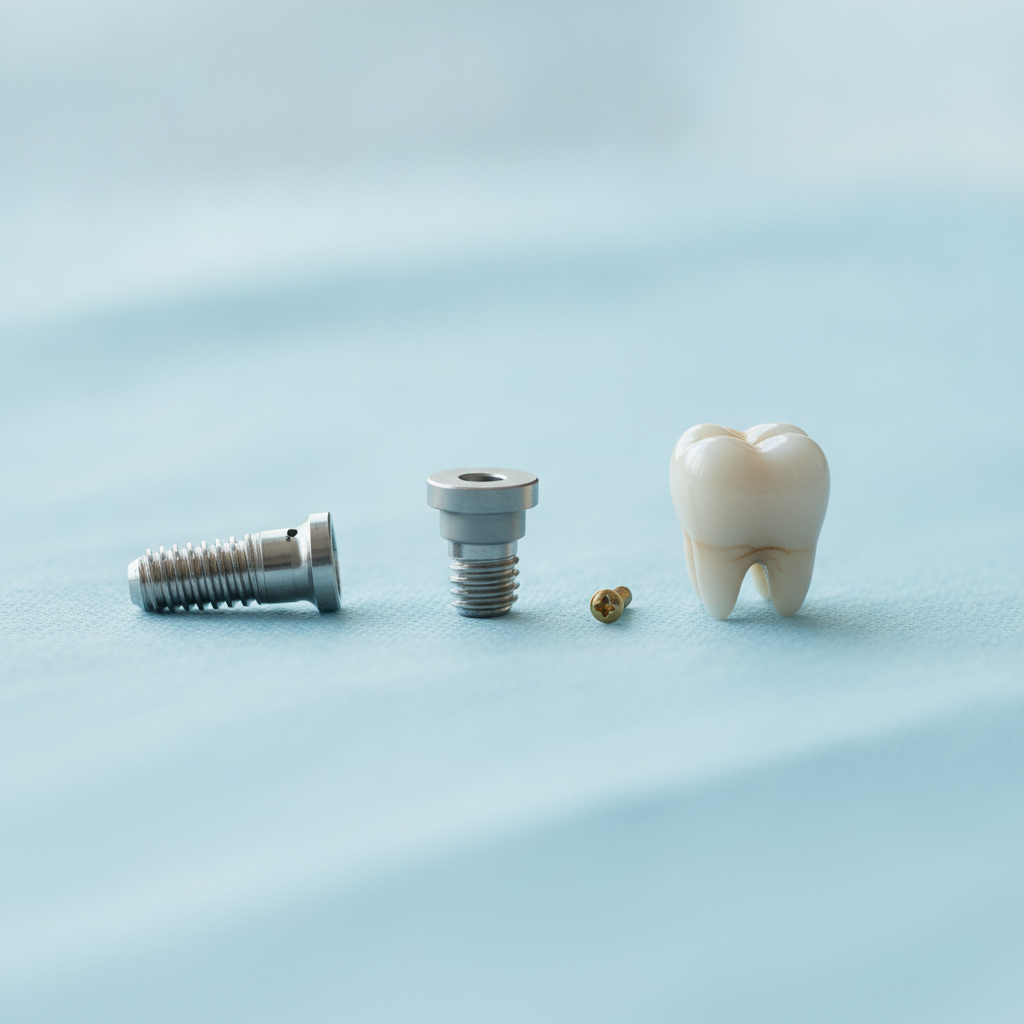
Dental implants can provide a number of benefits, including improved oral health, increased confidence, and enhanced quality of life. With proper care and maintenance, dental implants can last for many years, making them a long-term investment in your oral health.
In addition to the aesthetic benefits, dental implants can also provide a number of functional benefits. For example, they can help to improve chewing and speaking abilities, and can also help to prevent bone loss and gum recession.
Benefits of Dental Implants
- Improved Oral Health
- Increased Confidence
- Enhanced Quality of Life
- Improved Chewing and Speaking Abilities
- Prevention of Bone Loss and Gum Recession
A Step-by-Step Guide to the Dental Implant Procedure
The dental implant procedure typically involves several steps, including consultation, implant placement, and restoration. During the initial consultation, the dentist will evaluate the patient’s oral health and determine if they are a good candidate for dental implants.
Once the patient has been deemed a good candidate, the implant placement procedure can begin. This typically involves the use of local anesthesia to numb the area, followed by the placement of the implant into the jawbone.
After the implant has been placed, the patient will need to wait several months for the implant to integrate with the surrounding bone. Once the implant has integrated, the restoration procedure can begin, which typically involves the placement of a crown or denture on top of the implant.
Dental Implant Procedure Steps
- Consultation
- Implant Placement
- Restoration
Financing Options for Dental Implants
While the cost of dental implants can be significant, there are several financing options available to help make the procedure more affordable. Many dental practices offer financing plans, such as payment plans or third-party financing options.
In addition to financing plans, some dental practices also offer Patient Specials, which can help to reduce the cost of the procedure. It’s also a good idea to check with your insurance provider to see if they offer any coverage for dental implants.
Conclusion
Dental implants can be a life-changing restorative treatment for those who have lost teeth due to injury, decay, or gum disease. While the cost of dental implants can be significant, there are several financing options available to help make the procedure more affordable.
If you’re considering dental implants, it’s a good idea to schedule a consultation with a qualified dentist to discuss your options. At Dental Implant Services, our team of experienced dentists can help you determine if dental implants are right for you.
Frequently Asked Questions
Q: How much do dental implants cost?
A: The cost of dental implants can range from $1,000 to $5,000 per tooth, depending on the location, dentist, and type of implant.
Q: What are the benefits of dental implants?
A: Dental implants can provide a number of benefits, including improved oral health, increased confidence, and enhanced quality of life.
Q: How long do dental implants last?
A: With proper care and maintenance, dental implants can last for many years. According to the American Association of Oral and Maxillofacial Surgeons, dental implants have a success rate of over 95%.
Q: Are dental implants safe?
A: Yes, dental implants are a safe and effective restorative treatment option. However, as with any surgical procedure, there are some risks involved. It’s a good idea to discuss these risks with your dentist before undergoing the procedure. For more information on safety and prevention, you can visit the Organization for Safety, Asepsis and Prevention.
Success Stories of Dental Implants
Dental implants have been successful in restoring the smiles of many individuals. According to a study by the American Dental Association, over 3 million people in the United States have dental implants. The success rate of dental implants is due to advances in technology and the expertise of dentists.
For example, a patient who lost a tooth due to decay can have a dental implant placed to restore their smile. The implant can be designed to match the surrounding teeth, providing a natural-looking and functioning tooth.
Dental Implant Statistics
Here are some statistics on dental implants:
- Over 3 million people in the United States have dental implants (American Dental Association)
- Dental implants have a success rate of over 95% (American Association of Oral and Maxillofacial Surgeons)
- The demand for dental implants is expected to grow by 10% annually (Market Research Report)
Illustrative Scenarios
The scenarios below are illustrative composites used to explain how treatment works; they do not describe specific patients.
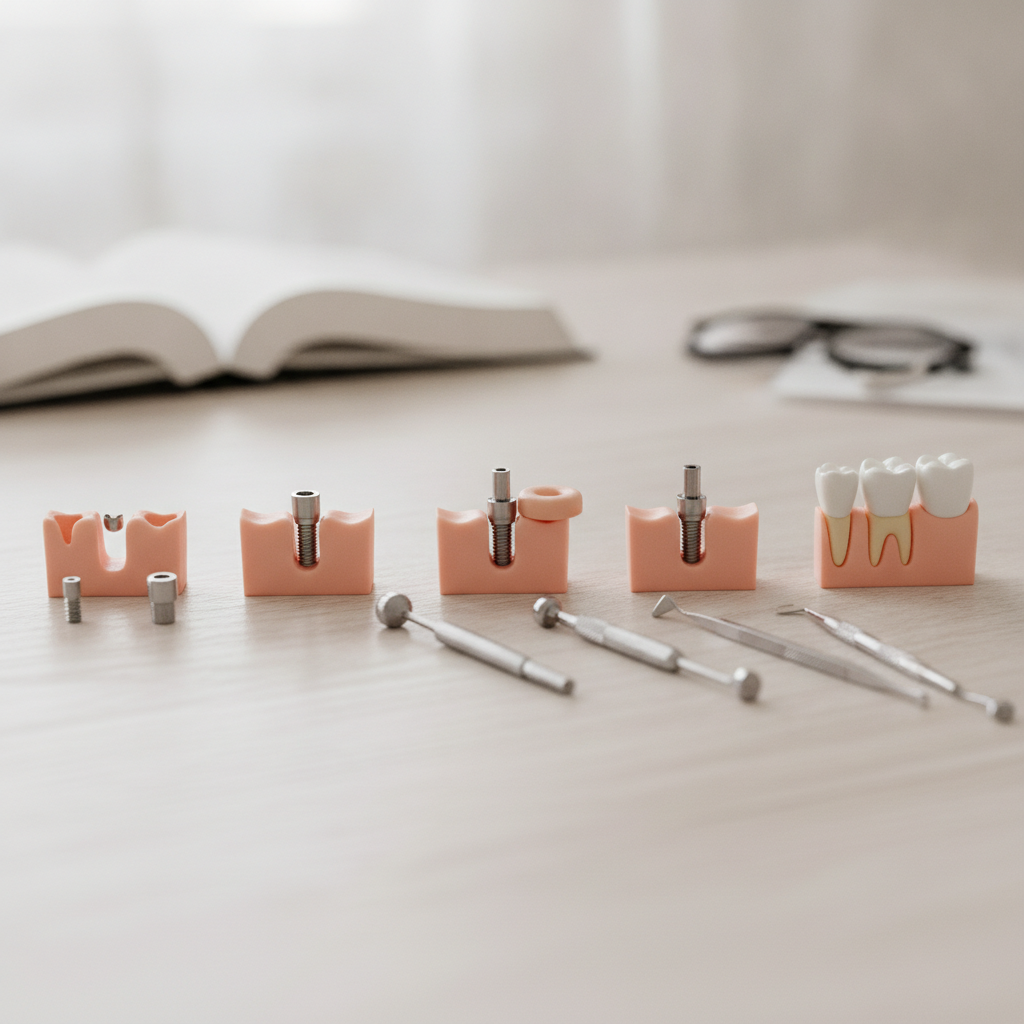
Here are some illustrative scenarios showing how dental implants are used:
A 35-year-old woman lost a tooth due to injury. She had a dental implant placed to restore her smile. The implant was successful, and she was able to eat and speak normally again.
A 60-year-old man had several teeth missing due to gum disease. He had implant-supported dentures placed to restore his smile. The dentures were successful, and he was able to eat and speak normally again.
Tips for Choosing a Dentist for Dental Implants
When choosing a dentist for dental implants, there are several factors to consider. Here are some tips:
- Look for a dentist with experience in dental implants
- Check the dentist’s qualifications and credentials
- Read reviews and ask for referrals
- Check the cost and financing options
Conclusion
Dental implants can be a life-changing restorative treatment for those who have lost teeth due to injury, decay, or gum disease. While the cost of dental implants can be significant, there are several financing options available to help make the procedure more affordable.
If you’re considering dental implants, it’s a good idea to schedule a consultation with a qualified dentist to discuss your options. At Dental Implant Services, our team of experienced dentists can help you determine if dental implants are right for you.
Additional Resources
Here are some additional resources for learning more about dental implants:
- American Dental Association: https://www.ada.org/
- American Association of Oral and Maxillofacial Surgeons: https://www.aaoms.org/
- Organization for Safety, Asepsis and Prevention: https://www.osap.org/
Frequently Asked Questions (Continued)
Q: What are the different types of dental implants?
A: There are several types of dental implants available, including traditional implants, mini implants, and implant-supported dentures.
Q: How long does the dental implant procedure take?
A: The dental implant procedure can take several months to complete, depending on the individual’s oral health and the type of implant used.
Q: Are dental implants painful?
A: The dental implant procedure can be painful, but the pain can be managed with local anesthesia and pain medication.
Q: Can I eat and speak normally with dental implants?
A: Yes, dental implants can allow you to eat and speak normally, and they can also help to improve your overall oral health.
Dental Implant Maintenance and Care
To ensure the longevity of dental implants, regular maintenance and care are essential. This includes:
- Brushing and flossing regularly
- Attending regular dental check-ups
- Avoiding certain foods and habits that can damage the implant
By following these tips, you can help to maintain the health and functionality of your dental implants.
Common Risks and Complications of Dental Implants
While dental implants are generally safe, there are some risks and complications that can occur. These include:
- Infection
- Nerve damage
- Bone loss
- Implant failure
It’s essential to discuss these risks with your dentist before undergoing the procedure.
Advances in Dental Implant Technology

Recent advances in dental implant technology have improved the success rate and longevity of dental implants. Some of these advances include:
- Improved implant materials
- Advances in implant design
- New techniques for implant placement
These advances have made dental implants a more effective and reliable restorative treatment option.
Dental Implant Costs by Location
The cost of dental implants can vary depending on the location. Here are some approximate costs for different regions:
- Urban areas: $1,500 to $3,000 per tooth
- Suburban areas: $1,000 to $2,500 per tooth
- Rural areas: $800 to $2,000 per tooth
It’s essential to note that these are approximate costs and can vary depending on the individual’s oral health and the type of implant used.
Long-Term Benefits of Dental Implants
Dental implants can provide long-term benefits, including:
- Improved oral health
- Increased confidence
- Enhanced quality of life
- Reduced risk of further tooth loss
By investing in dental implants, you can enjoy these benefits for many years to come.
What to Expect During the Dental Implant Procedure
During the dental implant procedure, you can expect the following:
- Initial consultation to determine if you are a good candidate for dental implants
- Implant placement procedure, which typically takes 1-2 hours per implant
- Restoration procedure, which typically takes 1-2 hours per implant
It’s essential to follow your dentist’s instructions and attend all scheduled appointments to ensure the success of the procedure.
Recovery Time for Dental Implants
The recovery time for dental implants can vary depending on the individual and the type of implant used. Generally, you can expect:
- 1-3 days of mild discomfort and swelling
- 1-2 weeks of soft food diet
- 2-6 months of healing time before the restoration procedure
It’s essential to follow your dentist’s instructions and attend all scheduled appointments to ensure a smooth and successful recovery.
Insurance Coverage for Dental Implants
Some insurance plans may cover part or all of the cost of dental implants. It’s essential to check with your insurance provider to determine the extent of coverage.
Additionally, many dental practices offer financing options and payment plans to help make the procedure more affordable.
Conclusion
Dental implants can be a life-changing restorative treatment for those who have lost teeth due to injury, decay, or gum disease. While the cost of dental implants can be significant, there are several financing options available to help make the procedure more affordable.
If you’re considering dental implants, it’s a good idea to schedule a consultation with a qualified dentist to discuss your options. At Dental Implant Services, our team of experienced dentists can help you determine if dental implants are right for you.