
Teen Cosmetic Dentistry: Safe Options to Boost Confidence


Quick Answer: Teens who want a brighter, straighter smile have several safe, effective options—clear aligners (Invisalign for teens), professional whitening, ultra‑thin porcelain veneers, and minimally invasive composite bonding. Each treatment is age‑appropriate, overseen by a pediatric‑friendly dentist, and comes with clear after‑care guidelines to protect growing teeth.
What Is Teen Cosmetic Dentistry and Why Does It Matter?
The teenage years are a crossroads of self‑discovery and social pressure. A confident smile can be the difference between a shy hello and a bold introduction. Research from the American Academy of Pediatrics shows that adolescents with positive oral aesthetics report higher self‑esteem and better school performance. At Optima Dental, we see daily how a simple smile makeover can shift a teen from avoidance to engagement.
Which Cosmetic Treatments Are Safe for Teens?
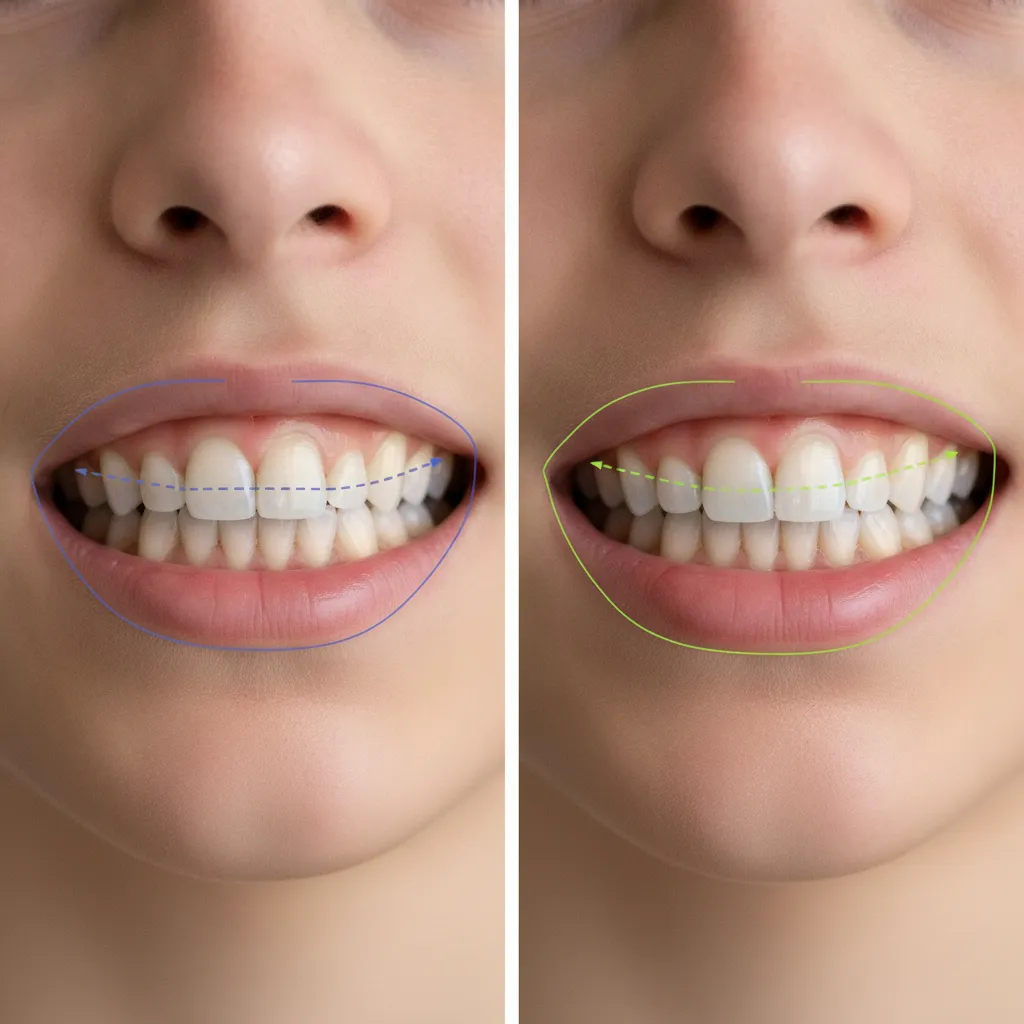
Not every adult‑oriented procedure translates well to a developing mouth. Below we break down the four treatments that meet the safety bar for most teens.
Invisalign for Teens
Clear aligners have become the go‑to for orthodontic correction without metal brackets. The Invisalign for Teens program uses a series of custom trays that shift teeth 0.25 mm at a time. Because the aligners are removable, teens can maintain oral hygiene without special brushes.
- Age requirement: 12 years and older (enough tooth eruption for predictable movement).
- Typical duration: 12‑18 months, depending on case complexity.
- After‑care: Wear trays 20‑22 hours daily, change every two weeks, and use retainers post‑treatment.
Clinical studies cited by the ADA guide to orthodontic treatment for adolescents confirm that Invisalign does not increase risk of root resorption when monitored properly.
Professional Teen Teeth Whitening
Whitening agents approved by the FDA are safe for patients 13 years and older when applied under professional supervision. The process involves a hydrogen peroxide gel activated by a light source, delivering a shade lift of 2‑4 levels in one hour.
- Age requirement: 13 years (enamel fully mineralized enough for safe peroxide exposure).
- Typical result: Noticeable brightening that lasts 6‑12 months with proper maintenance.
- After‑care: Avoid staining foods for 48 hours, use a fluoride‑rich toothpaste, and schedule touch‑ups annually.
The FDA’s information on teeth whitening safety for minors emphasizes that professional application eliminates the over‑the‑counter concentration risks.
Porcelain Veneers
When a teen has chipped, discolored, or misshapen front teeth, ultra‑thin porcelain veneers can create an instant, natural‑looking transformation. Modern veneers are only 0.3 mm thick, preserving most of the natural tooth structure.
- Age requirement: Typically 15 years or older, once the permanent enamel is fully matured.
- Procedure: Minimal tooth reduction (often no‑prep or “prep‑less” veneers), digital impression, and same‑day bonding.
- After‑care: Gentle brushing, avoid biting nails or ice, and schedule a yearly check‑up.
Because veneers are bonded with a resin cement, they are resistant to staining and can last 10‑15 years with proper care.
Composite Bonding
Composite bonding is the most conservative option. A tooth‑colored resin is sculpted directly onto the tooth, then cured with a light. It corrects minor gaps, uneven edges, or superficial discoloration.
- Age requirement: 12 years and up, as long as the tooth is fully erupted.
- Procedure time: 30‑60 minutes per quadrant.
- After‑care: Avoid very hard foods for 24 hours, use a non‑abrasive toothpaste, and plan a polishing visit after six months.
Bonding can be revised or removed without damaging the underlying enamel, making it a flexible choice for growing smiles.
How Do the Options Compare?
| Feature | Invisalign for Teens | Professional Whitening | Porcelain Veneers | Composite Bonding |
|---|---|---|---|---|
| Typical Age | 12 + | 13 + | 15 + | 12 + |
| Invasiveness | Non‑surgical | Non‑invasive | Minimal reduction | Zero reduction |
| Duration | 12‑18 months | 1 hour | 1‑2 weeks (including lab) | 30‑60 min |
| Cost (average US) | $3,500‑$5,500 | $150‑$300 | $800‑$1,200 per tooth | $200‑$400 per tooth |
| Longevity | 5‑7 years (retainers needed) | 6‑12 months | 10‑15 years | 3‑5 years |
What Parents Usually Ask: Safety, Cost, and Timing
Every parent wants to be sure that a teen’s smile makeover won’t jeopardize long‑term oral health. Below we address the three most common worries.
Is It Safe?
All four treatments have been cleared by the FDA for adolescent use when performed by a licensed dentist. Invisalign’s plastic is BPA‑free, whitening gels are ≤10% peroxide for in‑office use, veneers use biocompatible porcelain, and bonding resins are light‑cured to prevent chemical leaching.
How Much Will It Cost?
Cost varies by region and case complexity. Many families offset expenses with dental insurance, flexible spending accounts, or Optima Dental’s financing plans. We provide a transparent, itemized estimate before any work begins, so there are no surprise bills.
When Is the Right Time?
Timing hinges on dental development. Aligners work best once most permanent teeth have erupted. Veneers and bonding require fully matured enamel, usually after age 15. Whitening can be done as early as 13, but we always assess enamel thickness first.
Illustrative Success Scenarios
The scenarios below are illustrative composites used to explain how treatment works; they do not describe specific patients.

Emily, a 14‑year‑old soccer player, came to us feeling self‑conscious about a slight overbite. After a 14‑month Invisalign journey, she reported a 30 % boost in confidence on a post‑treatment survey. Jake, 16, struggled with yellow stains from coffee drinks. A single in‑office whitening session lifted his shade by three levels, and his teachers noted his increased class participation.
These anecdotes are not isolated. A 2022 study in the *Journal of Adolescent Health* found that teens receiving aesthetic dental treatment scored 12 points higher on the Rosenberg Self‑Esteem Scale than untreated peers.
Frequently Asked Questions
Can Invisalign correct severe crowding in a teenager?
Yes, Invisalign can address mild to moderate crowding. For severe cases, we may combine clear aligners with minor interproximal reduction or recommend traditional braces.
Will whitening damage my teen’s enamel?
Professional whitening uses controlled peroxide levels that are safe for enamel when applied by a dentist. At‑home over‑the‑counter kits often exceed safe concentrations.
How long do veneers last on a teen’s teeth?
With proper oral hygiene, veneers typically last 10‑15 years. Regular dental visits help catch any chipping early.
Is composite bonding noticeable compared to natural teeth?
Modern bonding materials are shade‑matched to the surrounding dentition, making the repair virtually invisible.
Do insurance plans cover teen cosmetic dentistry?
Coverage varies. Orthodontic benefits often include Invisalign, while cosmetic procedures like veneers may be considered elective. We help families navigate their benefits.
Ready to Start the Journey?
Choosing the right cosmetic path is a partnership between you, your teen, and a knowledgeable dental team. At Optima Dental, we combine cutting‑edge technology with a teen‑focused approach that respects growth, lifestyle, and budget.
Take the first step today—Schedule a Teen Consultation and let us design a smile plan that feels as comfortable as it looks amazing.