
Your Complete Dental Implant Timeline in San Jose

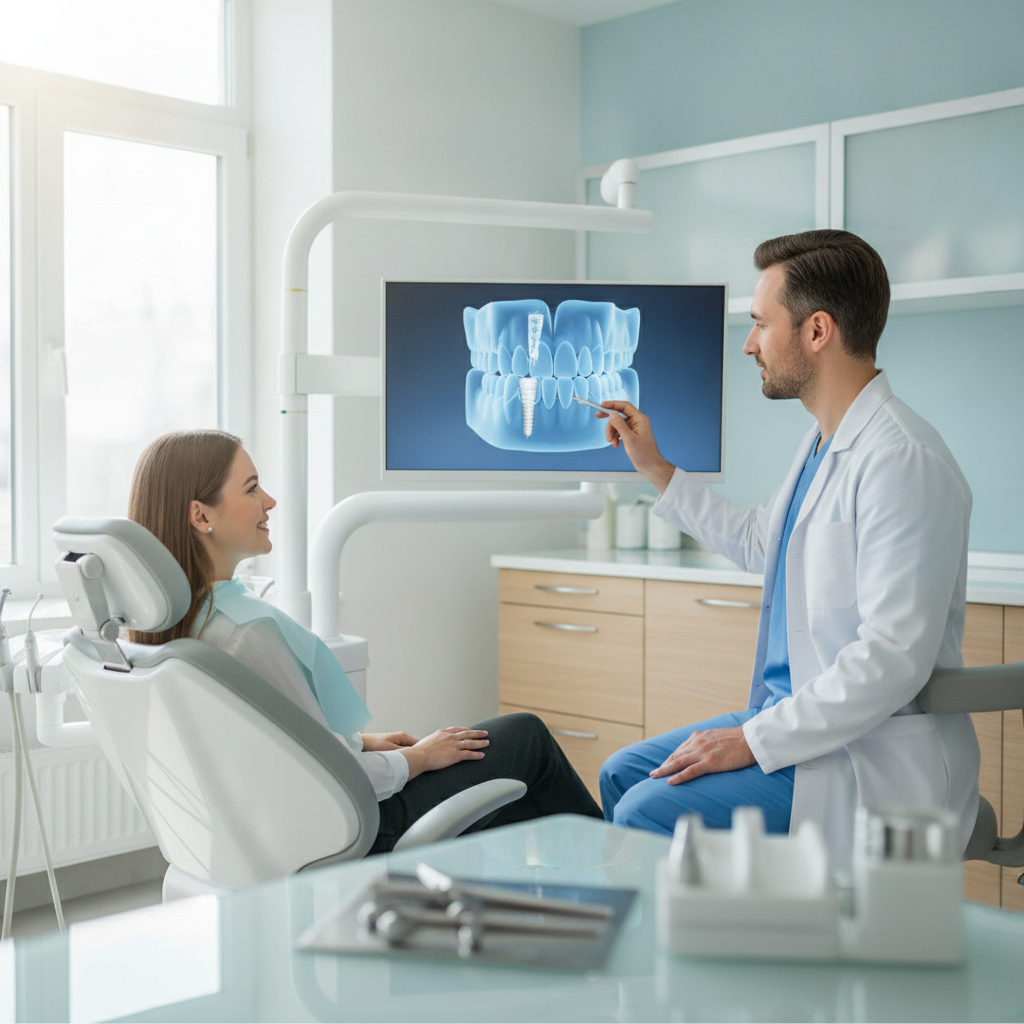
Dental Implant Timeline at Optima Dental: From Planning to Placement
Quick answer: At Optima Dental, the Dental Implant Timeline can run from your initial digital scan to a final crown in as few as four weeks for same‑day cases—eight to ten weeks for traditional healing. Our fully digital workflow, CBCT 3D imaging, and on‑site milling keep every step predictable and comfortable.
The Dental Implant Timeline at Optima Dental: From consultation to crown
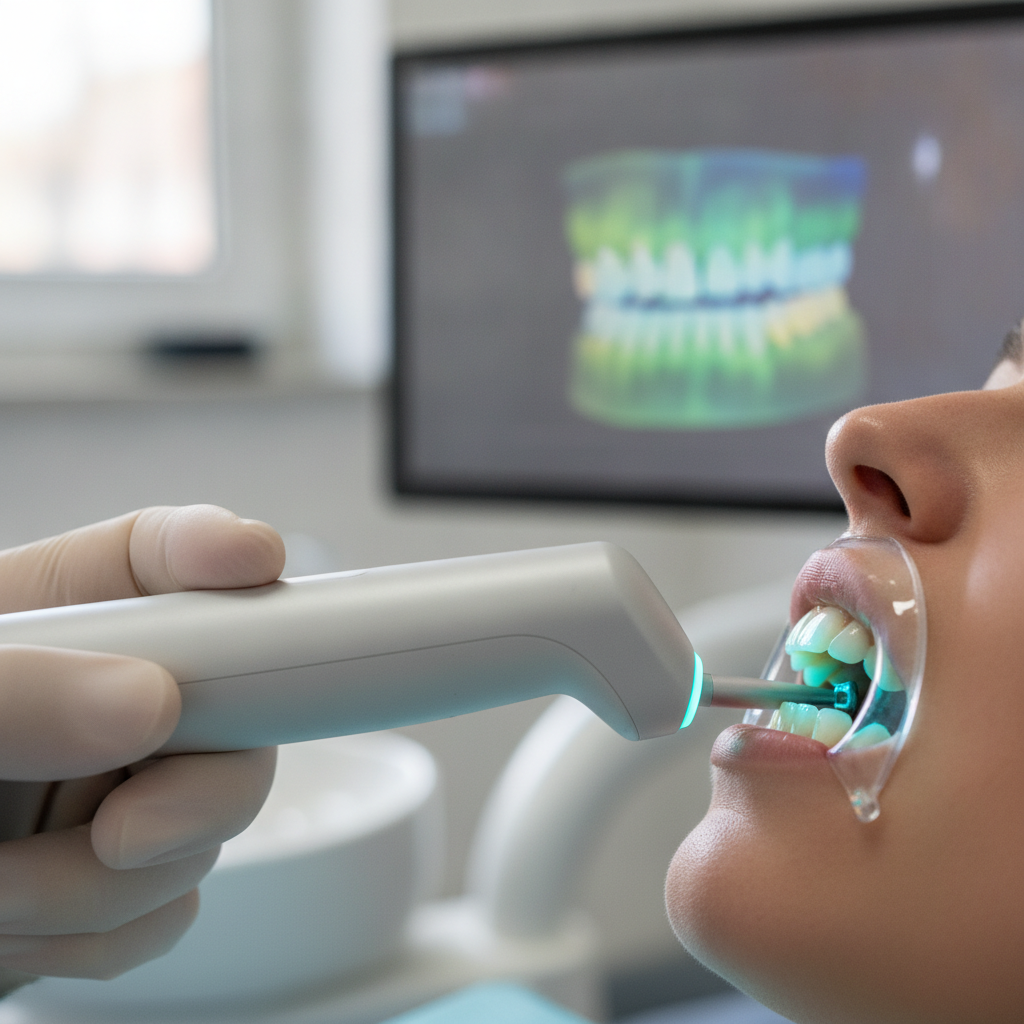
We kick off with a 45-minute discovery visit where we capture a cone‑beam CT (CBCT) scan, snap intra‑oral photos, and record your bite using a handheld scanner. This data flows directly into our Planning software, giving us a detailed view of bone volume, nerve pathways, and prosthetic angles before making any incision.
Our digital‑first approach slashes two to three weeks from typical schedules by removing the guesswork.
- Initial Consultation & Digital Records (Day 1) – Meet Dr. Soysal, review your medical history, and get a high-precision CBCT scan. The 3-D model we generate has a resolution of 0.2 mm, overlaid with a virtual prosthetic design.
- Virtual Surgical Planning (Days 2‑3) – We use the 3-D model to plot Implant depth, angle, and diameter. The software automatically adjusts the plan to keep implants at least 2 mm from the inferior alveolar nerve.
- Surgical Guide Fabrication (Day 4) – In-house stereolithographic (SLA) printing produces a tooth-locking guide that channels the drill exactly where planned, cutting surgery time to under 30 minutes.
- Implant Placement (Day 5) – Under local anesthesia, we place the titanium Implant through the guide. For qualifying patients, we attach a pre-fabricated abutment and temporary crown the same day.
- Healing Phase (Weeks 1‑6) – For traditional two-stage protocols, the Implant osseointegrates. We schedule soft-tissue checks at week two, then radiographs at week six.
- Final Restoration Design (Weeks 6‑7) – We take a digital impression of the healed Implant with an intra-oral scanner. CAD software designs the final crown, whether porcelain-fused-to-metal or zirconia.
- Crown Milling & Delivery (Weeks 7‑8) – Our on-site milling unit produces the crown in 24 to 48 hours. We fit it, adjust the bite, and cement it permanently.
Patients eligible for same-day protocols see results in under four weeks; those on traditional timelines finish around eight to ten weeks.
What is the Dental Implant Timeline for same‑day crowns in San Jose?
Same-day crowns depend on the Implant achieving primary stability—insertion torque over 35 N·cm—and bone density in ranges D2 to D3 on the Misch scale. This compresses the usual six-step procedure into just three visits:
- Day 1 – Scan, plan, and guide fabrication.
- Day 2 – Guided surgery, abutment Placement, and temporary crown.
- Day 14 – Final crown milled and seated.
These same-day protocols shave up to six weeks off the Timeline without lowering success rates.
Traditional vs. Same‑Day Implant Timeline (Comparison)
| Phase | Traditional (8‑10 weeks) | Same‑Day (4 weeks) |
|---|---|---|
| Diagnostic Imaging | CBCT & intra‑oral scan | Same as traditional |
| Surgical Guide Production | 48 hours | 24 hours |
| Implant Healing | 4‑6 weeks | Immediate loading |
| Final Crown Fabrication | 1‑2 weeks | 1 week |
| Total Time | 8‑10 weeks | 4 weeks |
Patient comfort and safety throughout the Timeline
Guided surgery removes blind drilling, which cuts down discomfort during and after the procedure. We use buffered articaine for local anesthesia, and anxious patients can choose nitrous oxide, introduced during a 30-minute pre-procedure briefing.
Our CBCT scans expose you to radiation roughly equal to two panoramic X-rays—well below safety thresholds. Same-day protocols cut the number of surgical visits, halving your exposure to anesthesia.
Keeping you in one chair from scan to temporary crown reduces travel, stress, and treatment fatigue.
Common Implant myths busted
Myth 1: Implants always need six months to heal. Reality: With guided surgery and sufficient primary stability, many patients get a working temporary crown within two weeks.
Myth 2: Digital imaging is a gimmick. Reality: CBCT reveals bone issues invisible on regular X-rays, helping us avoid surprises during surgery.
Myth 3: Only older adults get implants. Reality: Healthy adults 25 and up qualify; our software assesses bone volume, not age.
For more on regulatory standards, check the FDA – Dental Implants Overview. The American Dental Association – Dental Implants confirms digital workflows as the industry standard.
Why we recommend the digital‑first Timeline over traditional methods
Traditional methods lean on physical impressions, stone models, and off-site labs, adding weeks and uncertainty. At Optima Dental, we swap those for scanners, CAD design, and in-office milling. The payoff: fewer appointments, tighter schedules, and crowns that fit the design down to the micron.
Our digital workflow supports predictable treatment timing and a crown perfectly matched to its virtual plan.
Detailed Timeline for complex cases (bone grafts, multiple implants, sinus lifts)
Not all cases qualify for same-day protocols. Complex treatments like multiple implants, advanced bone loss, or sinus lifts require staged approaches. Here’s how those add up:
- Bone Graft Only – After consult and CBCT, graft Placement happens on the same day. Soft tissue needs 2–4 weeks to heal, then imaging at 4–6 weeks. Implant Placement follows between 6 and 12 weeks, depending on graft type and volume.
- Sinus Lift (Lateral Approach) – We plan with CBCT, perform sinus augmentation, then wait 4–6 months for large lifts to heal before placing implants. Smaller crestal lifts might allow simultaneous Implant Placement.
- Multiple Implants / Full‑Arch – Virtual Planning guides possible staged extractions and ridge preservation. We deliver provisional fixed prostheses within 1–2 weeks for immediate function, with the final prosthetics placed after 3–6 months in extensive reconstructions.
For instance, a patient needing a lateral sinus lift plus two implants should expect 4–6 months before final crowns, depending on graft maturation.
Bone grafting and sinus lift — what adds time (and why)
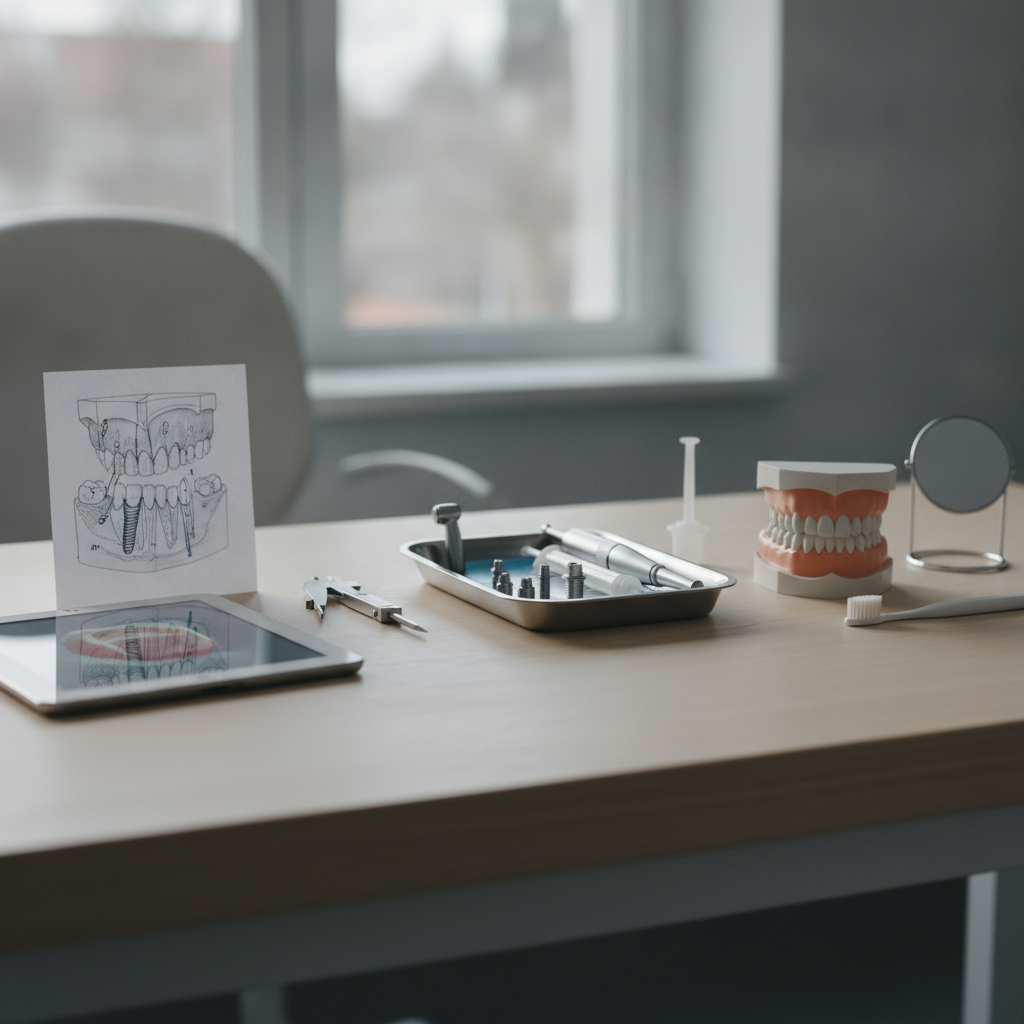
Bone graft materials vary: autografts (your own bone), allografts (donor bone), xenografts (animal-derived), and synthetics. Autografts integrate faster but require harvesting bone; the others avoid donor-site pain but take longer to integrate.
- Autograft augmentation: typically 6–8 weeks before Implant Placement.
- Allograft or xenograft augmentation: 3–6 months to mature reliably.
- Sinus lift (large lateral): 4–6 months of healing; crestal lifts May allow implants during the same surgery if bone volume permits.
Factoring these steps into your Timeline avoids surprises and lowers Implant failure from poorly healed grafts.
Insurance, financing, and Timeline for approvals
Preauthorization and insurance can delay treatment start. Typical waits include:
- Preauthorization: 7–21 business days depending on insurer.
- Medical necessity letters for grafts or extractions: 1–2 weeks to prepare and submit.
- Third-party financing approvals: instant to 3–5 business days.
We handle insurance documentation and financing applications during guide fabrication, keeping your clinical Timeline moving despite administrative waits.
What to expect on surgery day — an hour‑by‑hour guide
Knowing the flow reduces anxiety. A typical same‑day Implant session runs like this:
- Arrival & check‑in (15 minutes): Confirm history and review the digital surgical plan.
- Pre-op photos and local anesthesia (10–15 minutes): Nitrous oxide starts here if chosen.
- Guided Implant Placement (20–45 minutes): Drilling and Implant insertion through the guide; abutment and provisional crown placed if indicated.
- Immediate post-op review (10 minutes): Check the bite and explain aftercare.
- Observation and discharge (15–30 minutes): Monitor comfort and vitals if sedation was used.
Most patients return to light activity the same day and resume normal, non-chewing activities within 24 hours. We recommend avoiding strenuous exercise for 72 hours.
Illustrative treatment scenarios
The scenarios below are illustrative composites used to explain how treatment works; they do not describe specific patients.
Case 1 — Single tooth, same‑day crown
Patient A, a 48-year-old teacher, arrived with a fractured first premolar unsuitable for root canal retreatment. CBCT showed D2 bone and sound adjacent teeth. We planned and placed a 4.1 mm Implant with guided surgery, achieving 40 N·cm torque. The milled provisional crown was delivered that same day. The final zirconia crown seated at two weeks. Result: excellent esthetics, immediate function, and stable radiographs one year out.
Case 2 — Multiple implants with ridge graft
Patient B, 62, had a failing lower bridge and horizontal ridge deficiency. We performed a guided ridge augmentation using allograft and membrane, waited 12 weeks for healing, then placed implants using a surgical template. A provisional bridge was delivered two weeks after Implant Placement, with the final bridge at five months. Result: stable prosthesis and healthy peri-Implant tissues at 18 months.
Case 3 — Sinus lift and delayed implants
Patient C, 56, required a lateral sinus lift before Implant Placement in the upper molar region. After a five-month healing period, implants went in, and the restoration finished three months later. Result: predictably healthy sinus, fully functional molar replacement at eight months, patient satisfied.
Implant success statistics and research highlights
Clinical studies show Implant survival rates at 95–98% over 5–10 years for well-placed implants in healthy bone. Immediate loading protocols match delayed loading survival when primary stability exceeds 30–35 N·cm and occlusal forces are managed properly.
- Overall survival: 95–98% at 5 to 10 years in peer-reviewed studies.
- Immediate loading: Comparable survival if strict criteria are met.
- Bone grafts: Grafted sites perform similarly when fully integrated before loading.
This underscores why detailed Planning and respecting torque and bone quality thresholds matter so much in optimizing your Timeline.
Patient preparation and aftercare Timeline
How you prepare and care for the Implant affects healing speed. Here’s the rundown we share:
- Preop (48 hours): Quit smoking, follow antibiotic or antiseptic rinse instructions, and arrange rides if using nitrous oxide.
- Immediate postop (0–72 hours): Apply ice on for 20 minutes, off for 20, maintain a soft diet, avoid spitting or suction, and take pain meds as directed.
- First two weeks: Gentle hygiene around the Implant site with a soft brush, chlorhexidine rinse if prescribed.
- Weeks 2–6: Routine checkups; avoid heavy chewing on provisionals until integration is confirmed.
- Long term: Brush twice daily, use interdental cleaners, and schedule hygiene visits every 3–6 months.
Stopping smoking and controlling blood sugar in diabetics can drastically improve healing and prevent delays.
Expanded Frequently Asked Questions about the Dental Implant Timeline
How long does the entire Implant process take at Optima Dental?
Same-day cases wrap in about four weeks from scan to crown. Traditional cases take eight to ten weeks, depending on bone healing.
Do I need a second surgery for the abutment?
No. Our guided approach places the abutment at the initial surgery once primary stability is confirmed.
Is CBCT safe for repeated use?
Yes. Each CBCT scan exposes you to radiation similar to two panoramic X-rays, staying well within FDA guidelines.
Can I get a temporary crown on the same day?
Yes—if the Implant reaches at least 35 N·cm torque, we mill and place a provisional crown immediately.
What if I have a thin gum line or limited bone?
Our 3-D Planning spots these issues early. Bone grafts add about four weeks but are still managed smoothly within our digital workflow.
Does smoking change the Timeline?
Yes. Smoking delays healing and increases failure risk. We advise quitting at least two weeks before surgery and avoiding it for 8–12 weeks after.
How painful is the process and how long does pain last?
Most patients report mild to moderate discomfort for 1 to 3 days, controlled easily with common painkillers. If pain worsens after a week, call us immediately.
Will diabetes or other medical conditions slow my Timeline?
Uncontrolled diabetes, immune issues, or active gum disease can slow healing and raise complications. We coordinate with your doctor and May postpone or stage treatment until conditions improve.
What maintenance is required after I get my Implant crown?
Routine home care and professional cleanings every 3–6 months in the first year; after that, it’s tailored. Regular X-rays and peri-Implant exams catch early problems before they become serious.
How long will my Implant last?
Properly cared-for implants often last decades. Studies show 95%+ survival at 5–10 years, driven by hygiene, overall health, and maintenance.
What happens if an Implant fails during the Timeline?
If that rare event occurs, we remove the Implant, let the site heal, and review options. Often, a new Implant can go in after a short break; complex cases might need additional grafting. We build these contingencies into your treatment plan so you’re never in the dark.
Ready to see how quickly a new smile can appear? Schedule your free Implant evaluation today, and we’ll craft a personalized Dental Implant Timeline for you.
Learn more about our Dental Implant Services at Optima Dental or explore About Optima Dental – Our Digital‑First Approach to understand why patients trust us for predictable, comfortable care.