
Why Your Invisalign Cleaning Schedule Matters for Perfect Results

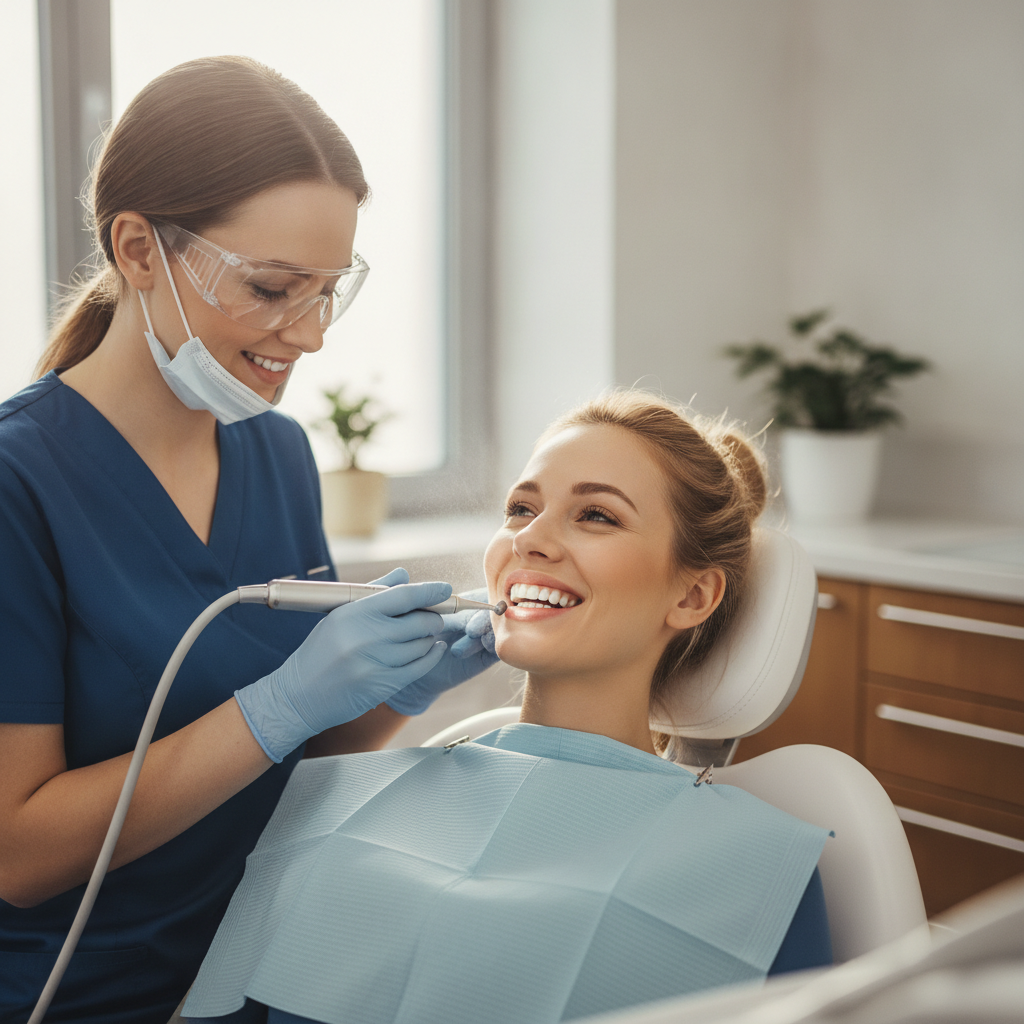
Quick answer: A consistent Invisalign cleaning schedule, with professional Cleanings every six months plus careful daily at‑home care, keeps aligners tight, prevents plaque from hardening, and protects your gums so the final smile matches the treatment plan.
What is an Invisalign cleaning schedule and why it matters?
We treat the cleaning Routine as part of the orthodontic plan, not an add‑on. The schedule pairs biannual professional Cleanings with simple daily habits at home. Stick to it and the plastic stays clear, teeth stay healthy, and your treatment stays on track.
Skip a cleaning and aligners can loosen, which often extends treatment by weeks or months.
How plaque and staining affect aligner fit
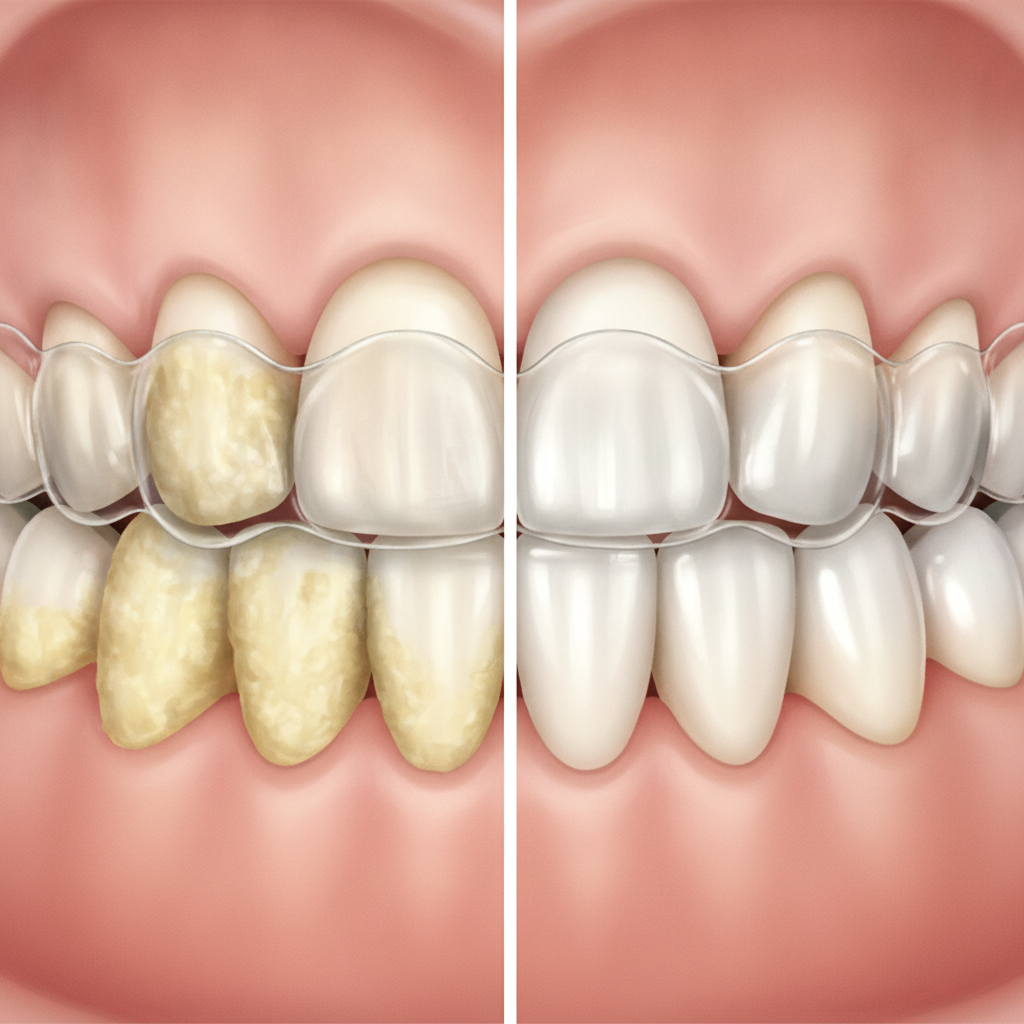
Plaque forms a biofilm on every oral surface, including the inside of aligners. You’ll see a thin layer within 24–48 hours. Left alone that layer calcifies into abrasive calculus, which subtly wears the tray’s inner surface and creates a micro‑gap between the tooth and the aligner.
Staining from coffee, tea, or red wine does more than look bad. Pigments cling to the plastic and can create uneven contact points, so teeth drift off the intended path.
Regular professional and home Cleanings remove plaque before it hardens and keep aligners clear and precise.
The science behind gum health during Invisalign
Gums react quickly to bacterial load. When plaque accumulates at the gingival margin, inflammatory mediators such as interleukin‑1 increase, producing redness, swelling, and bleeding. Chronic inflammation can lead to recession, exposing root surfaces that the aligner May irritate.
Regular professional cleanings are associated with healthier gum tissue and less bleeding than home care alone. Removing sub‑gingival deposits restores the protective seal around each tooth and lets the aligner apply force where it belongs.
Healthy gums let the aligner move teeth predictably instead of forcing pressure onto inflamed tissue.
Optima Dental’s digital cleaning process – what you get
We start with a high‑resolution intra‑oral scan that highlights plaque hotspots, then target those areas with ultrasonic scaling at 25 kHz. After scaling we polish with a low‑abrasion paste that restores a smooth finish without scratching the plastic. A UV sanitization cycle can further reduce residual bacteria on aligners, a step many offices skip. Finally we take a follow‑up scan to document the improvement.
Our digital workflow delivers measurable plaque reduction and a visibly clearer aligner after each professional session.
Step‑by‑step Invisalign cleaning schedule
- Weekly at‑home care: Rinse aligners with lukewarm water, brush gently with a soft toothbrush, and use a clear, non‑abrasive cleaning tablet.
- Monthly check‑in: Book a short in‑office inspection so we can catch discoloration or buildup that home care missed.
- Every six months: Schedule a professional cleaning at Optima Dental for scaling, polishing, and UV sanitization.
- After each cleaning: You’ll get a personalized report showing plaque reduction and any tweaks to your home Routine.
Follow this Routine and your aligners stay snug, your gums stay healthy, and you’ll face fewer emergency visits and a smoother finish.
Stick to the schedule and you’ll finish on time with a brighter smile.
Illustrative Scenario: How a Cleaning Schedule Saves Treatment Time
The scenarios below are illustrative composites used to explain how treatment works; they do not describe specific patients.
Sarah, 28, began Invisalign with a 12‑month estimate. She strictly followed the cleaning Routine for the first three months; her aligners stayed clear and fit well. When work got busy she skipped weekly deep cleans and only brushed in the morning. By month five her hygienist spotted early gingivitis and micro‑scratches on tray #4.
Instead of advancing trays, we paused progression, ran an intensive scale and polish protocol, and tightened her digital monitoring. Her gums healed and the aligner seal returned. After resuming, teeth moved predictably again. If she’d kept neglecting care, we likely would have needed a full rescan, adding three to four months and significant costs.
Advanced Statistics: The Cost of Neglecting Your Aligners
Hygiene‑related complications are a common reason aligner treatment runs longer than planned. When plaque builds up, aligners lose grip and cause “tracking errors,” which often require mid‑course corrections costing $1,500–$2,500 for a rescan, new trays, and extra visits.
Patients who ignore a disciplined Invisalign cleaning schedule are also about twice as likely to develop white spot lesions, permanent marks of demineralization that often need fluoride treatment or bonding afterward. A six‑month professional cleaning is a small investment compared with remediation costs.
Prevention via regular cleaning saves money and preserves enamel.
Comparison: Aligners before vs. after professional cleaning
| Metric | Before Cleaning | After Cleaning |
|---|---|---|
| Plaque Index (0‑3) | 2.1 | 0.4 |
| Aligner Transparency (1‑5) | 3 | 5 |
| Gum Bleeding on Probing (%) | 28 | 9 |
| Fit Tightness (subjective 1‑10) | 7 | 9 |
The numbers are straightforward: cleaner aligners mean a tighter fit, less gum irritation, and a clearer appearance.
Professional cleaning improves every key metric.
Common mistakes patients make with home cleaning
People often grab regular toothpaste thinking it’s harmless. Toothpaste is mildly abrasive and creates micro‑scratches that trap bacteria. Others pour hot water over trays, which warps the plastic and ruins the engineered fit.
Many also forget retainers. Retainers pick up plaque just as fast and can re‑contaminate a freshly cleaned aligner.
Do a gentle brush, use a clear tablet, and rinse with lukewarm water—nothing abrasive or hot.
The Impact of Diet on Your Invisalign Cleaning Routine
Diet affects how often you need to clean. Tannins in coffee, black tea, and red wine bond to polyurethane and speed staining. Even if you remove aligners while eating, microscopic residues transfer back via saliva and accelerate discoloration.
Acidic foods—citrus, tomatoes, soda—lower mouth pH. If you pop aligners back in immediately, acid can sit against enamel and increase decay risk, and it can make trays smell sour. Use a simple “rinse and wait” approach: swish with water after eating, wait 30 minutes for saliva to neutralize pH, then reinsert clean aligners. Small dietary adjustments reduce how often you’ll need intensive cleaning.
Rinsing after meals and waiting 30 minutes before reinserting aligners cuts staining and decay risk.
Tools of the Trade: Beyond Toothbrushes and Tablets
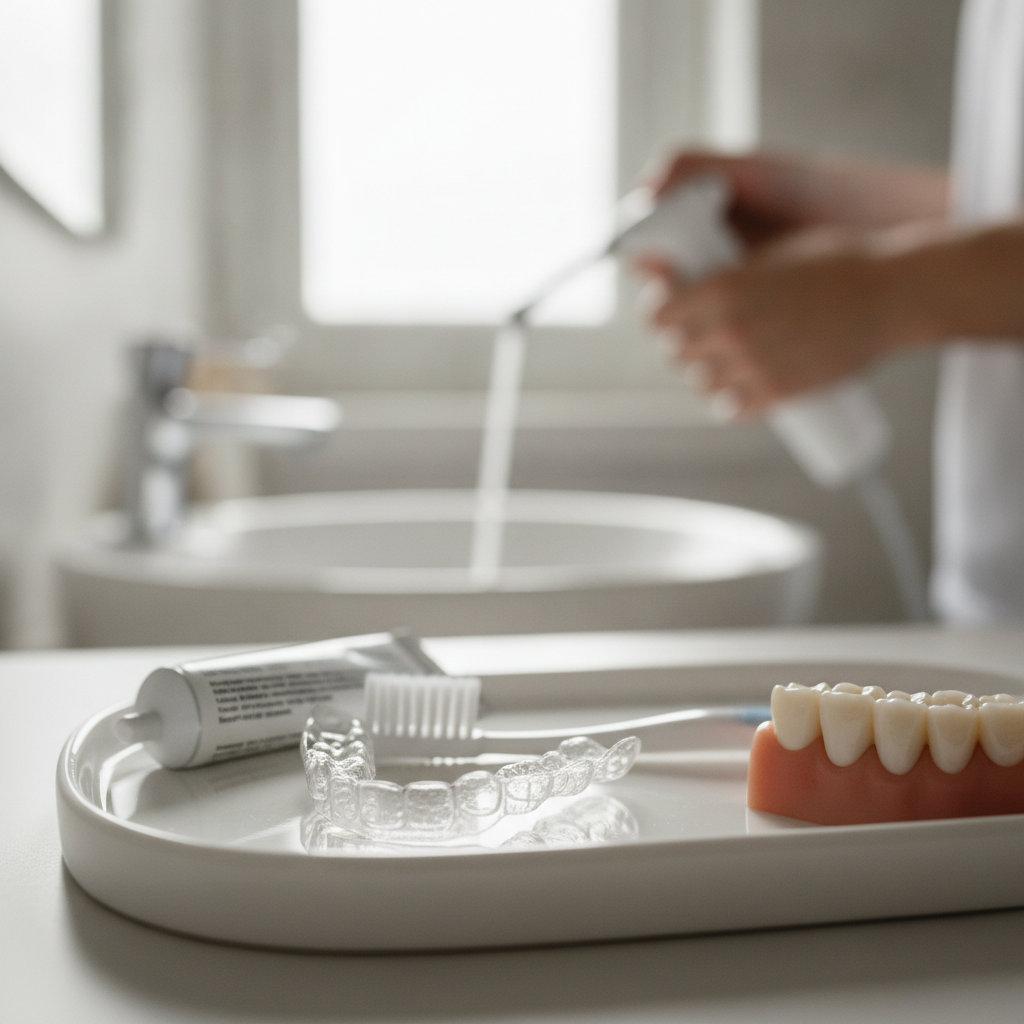
The basic Invisalign cleaning schedule relies on simple tools, but a few extra items help. A low‑pressure water flosser clears debris at the gum line where aligners contact. Enzymatic sprays break down biofilm without abrading. A home UV‑C sanitizing case reduces nightly bacterial load and complements the office UV step. We recommend these only after you’ve nailed the basics so tech supports, not replaces, mechanical cleaning.
Use advanced tools to supplement, not substitute, daily mechanical cleaning.
Frequently Asked Questions
How often should I schedule a professional cleaning while using Invisalign?
We recommend a cleaning every six months. This matches the typical adjustment cadence and keeps plaque from reaching a Critical level.
Can I skip a cleaning if my teeth look clean?
No. Plaque hides under aligners and can be invisible. A professional exam finds buildup before it harms gum health.
Do professional Cleanings affect the cost of my Invisalign treatment?
At Optima Dental the cleaning is billed separately, but many insurance plans cover preventive cleanings, though the amount varies by plan. The cost of prevention is small compared with the expense of treatment extensions.
What makes Optima Dental’s cleaning different from a regular Dental cleaning?
Our digital workflow records plaque levels before and after cleaning, and our UV sanitization targets bacteria that polishing can’t reach.
Is there any risk of damaging my aligners during a professional cleaning?
Our hygienists use non‑abrasive tools and calibrated ultrasonic settings, so the risk is negligible.
Can I use mouthwash to clean my aligners?
Avoid alcohol‑based mouthwashes—they can dry and crack the plastic. If you use mouthwash for your teeth, rinse it out and make sure your mouth is dry before reinserting aligners.
What should I do if I lose an aligner mid‑cycle?
Contact Optima Dental right away. Don’t skip to the next set unless we tell you to. We can provide a replacement or adjust your schedule to prevent tracking errors.
How long does a professional cleaning appointment take?
Plan on about 45 minutes for scanning, scaling, polishing, and UV sanitization. That gives us time to do the job properly.
Ready to lock in your next appointment? Invisalign Treatment Options at Optima Dental include a built‑in cleaning schedule that keeps your smile on track. Book online today and protect your investment.
Maintenance timeline for common aligner issues
Problems follow predictable timelines. Catching them early saves time and cost. Here’s a practical schedule and actions for common hygiene issues:
- Week 1–4 (initial settling): Expect more saliva and mild soreness. Daily cleaning and soft brushing prevent the first plaque layer from forming in tray grooves.
- Month 1–3: Watch for staining if you drink pigmented beverages. If discoloration appears, use cleaning tablets twice weekly and book a short inspection.
- Month 4–6: Look for early gingivitis—redness or bleeding. Keep your six‑month pro cleaning; call us sooner if symptoms appear.
- Mid‑treatment (months 6–12): Tracking errors emerge if trays feel loose after meals. Revisit hygiene and arrange a professional clean; persistent misfit usually follows months of neglected care.
- End of treatment: Prioritize a final professional session and plan retainer care to prevent relapse.
Early detection plus a steady cleaning cadence prevents small issues from becoming treatment delays.
Illustrative Scenario: Teen Patient and White Spot Lesions
Jamie, 15, had composite attachments to help rotate teeth. After two months our scans showed early demineralization on the upper incisors. Because she’d stayed consistent with school‑clinic checks and home care, we caught it early and started a remineralization protocol of fluoride varnish and high‑fluoride toothpaste. We moved to professional visits every four months for the rest of treatment.
Jamie’s lesions arrested and partially remineralized, and she finished on schedule. Closer monitoring and an adaptable cleaning cadence stopped cosmetic damage before it became permanent.
Insurance, cost breakdown and value analysis
Is professional cleaning worth the cost? Here’s a clear breakdown:
- Typical professional Invisalign cleaning: $75–$150 as a preventive hygiene visit (often covered by insurance).
- Mid‑course correction for tracking error: $1,500–$2,500 for rescan, new trays, and extra appointments.
- Treatment for white spot lesions: $100–$400 per lesion for remineralization or bonding if required.
Patients who keep up with regular professional cleanings during aligner treatment tend to need fewer mid‑course corrections and finish more comfortably. Even billed separately, Cleanings are a cost‑effective preventive step.
Paying for regular Cleanings is far cheaper than paying for corrections.
How to stay on schedule when traveling or during busy seasons
Travel and busy periods are when routines break down. Practical tips to maintain your Invisalign cleaning schedule on the road:
- Pack a travel kit: soft travel toothbrush, a small bottle of gentle soap or provider‑approved enzymatic spray, and a few cleaning tablets.
- Bring a UV‑C sanitizing case for overnight stays—handy in hotels or during flights.
- Use telehealth check‑ins if you must miss an in‑office monthly visit; hygienists can review photos and advise if you need an expedited appointment.
- Keep extra aligners in case of loss—notify us in advance and we can supply a temporary spare.
A small travel kit and a quick telehealth check prevent most schedule lapses.
Infection control and clinic protocols (what we do behind the scenes)
Clinics reduce cross‑contamination and protect tray integrity. At Optima Dental we use single‑use barriers, calibrated ultrasonic scalers, and documented instrument maintenance logs. The UV sanitization chamber is validated weekly with biological indicators to ensure consistent output. These steps cut the bacterial load transferred to trays and add a layer of protection for your treatment.
Clinic protocols and regular validation keep professional Cleanings effective and safe.
Expanded Frequently Asked Questions
Can I whiten my teeth while wearing Invisalign?
Yes, under dentist supervision. Aligners make effective delivery trays for take‑home whitening gel, but coordinate with your provider to avoid uneven Results. We usually recommend whitening near the end of treatment or use of low‑strength gels per our protocol.
How do attachments affect cleaning?
Attachments are composite bumps that help aligners grip. They require more careful plaque control, so brush around attachments and use a water flosser. Our hygienists demonstrate targeted techniques during attachment appointments.
Are over‑the‑counter cleaning products safe?
Some OTC products are fine; avoid colored or abrasive formulations. Stick to enzymatic, non‑abrasive cleaners or manufacturer‑approved tablets. Bring a product to your visit if you’re unsure and we’ll advise.
Can better cleaning reduce bad breath caused by aligners?
Yes. Most aligner‑related halitosis comes from trapped food and bacterial byproducts. Nightly cleaning and occasional enzymatic soaks reduce odor dramatically. If bad breath persists, get evaluated for periodontal disease or other causes.
Should children or teens have a different cleaning schedule?
The fundamentals are the same, but higher‑risk young patients May need more frequent professional check‑ins (every 3–4 months) and parental supervision. Fluoride varnish can be applied more often for those with high caries risk.
How do I know if my UV sanitizing case is still effective?
UV‑C bulbs and LEDs lose output over time. Replace or validate them per manufacturer guidance (typically every 6–12 months). If your unit has indicators or runtime counters use them, or bring the unit in for testing.
Can aligners become a vector for systemic infection?
Risk is low for healthy individuals if hygiene is maintained. Immunocompromised patients should tell their provider so we can add sanitization steps and closer monitoring.
What if my aligner feels tight after professional cleaning?
Tightness right after cleaning usually means biofilm was removed and the tray now seats fully. If tightness lasts beyond 48–72 hours or causes pain, contact us. Most patients adapt quickly and enjoy better tracking.
Final tips — building lifelong habits
Treat your Invisalign cleaning schedule like a training program: consistency beats intensity. Small daily actions—rinsing after meals, using cleaning tablets a few times a week, and attending the six‑month professional clean—compound into predictable outcomes. Protecting gums and aligners preserves enamel, lowers costs, and ensures the final smile matches the plan.
Questions about your personalized cleaning plan? Invisalign Treatment Options at Optima Dental are designed around preventive care. Book a consultation and we’ll integrate your cleaning schedule into your treatment plan.
Further reading
- Industry background on search engine optimization — authoritative reference reading.