
Root Canal Treatment Made Comfortable: What San Jose Patients Can Expect at Optima Dental

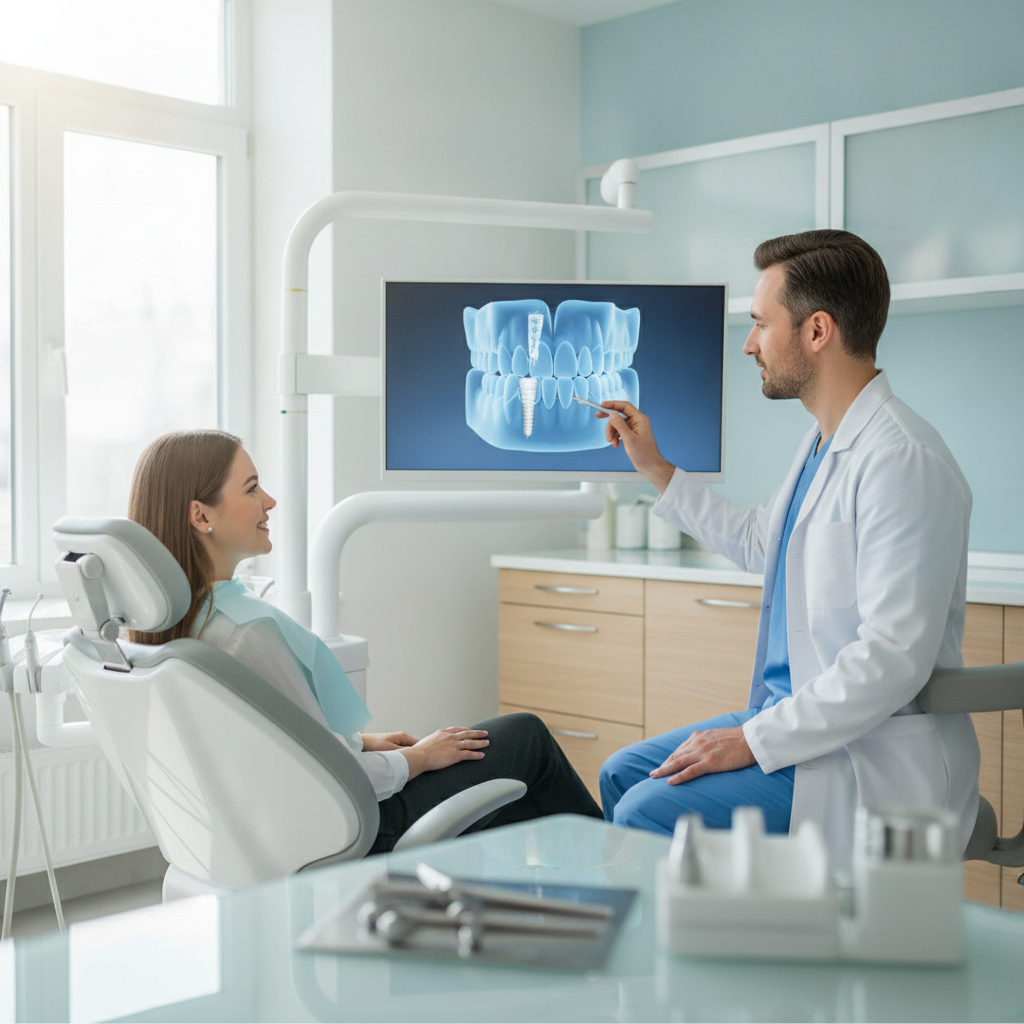
Quick answer: At Optima Dental in San Jose, you get a painless, digitally guided Root Canal Treatment that often finishes in a single visit, with same‑day crown options when needed, all delivered by a team focused on comfort and precision.
What makes Root Canal Treatment in San Jose painless and predictable?
We don’t treat Root canals like an old horror story. We start by talking with you about what makes you anxious and what actually hurts. Then we numb the area using modern techniques—buffered lidocaine and computer‑controlled delivery so the injection itself is gentle. Most Patients tell us the injection is the worst part, and even that is brief.
Our process reduces pain and keeps the appointment calm and controlled.
Beyond anesthesia, we remove guesswork with a digital workflow. Traditional 2‑D X‑rays can hide canals; a cone‑beam CT (CBCT) gives us a 3‑D map of the tooth, bone, and nearby nerves. That map shows the infection and the exact route to reach it, so we preserve healthy tooth structure and work faster.
How does digital imaging improve the Root Canal procedure?
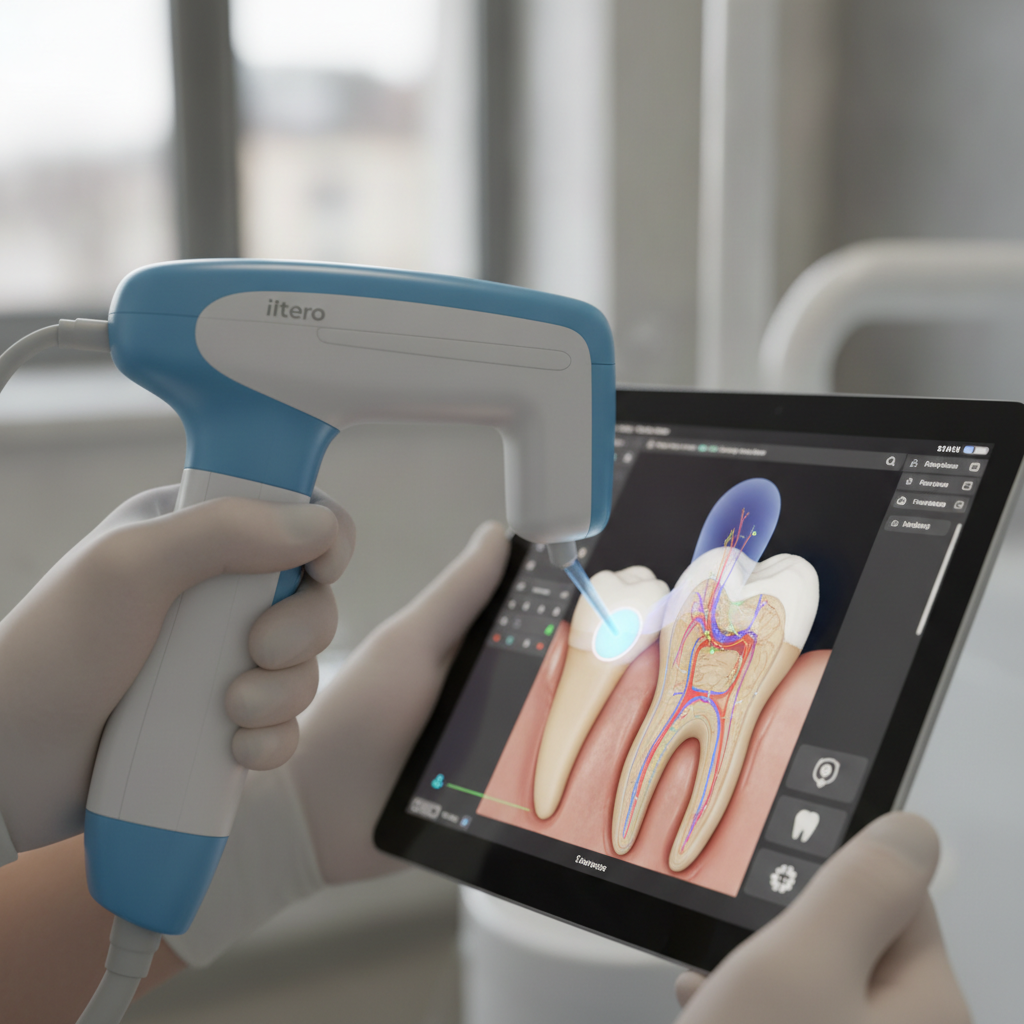
Digital imaging is the backbone of a predictable, low‑stress Root Canal. We run the process in three steps:
- CBCT scan: A quick, 30‑second scan captures the tooth in three dimensions and highlights canals, fractures, and the infection extent.
- iTero intraoral scan: We take a high‑resolution digital impression—no putty. That scan syncs with the CBCT to produce a precise virtual model.
- Treatment planning: The endodontist overlays the scans, chooses the access point, and maps the cleaning sequence. We review the plan with you before starting.
By visualizing the Root system before we touch a file, we can shorten chair time and lower the chance of missing a hidden canal.
Digital imaging turns uncertainty into a clear, step‑by‑step roadmap.
Can I get a same‑day crown after a Root Canal in the South Bay?
Yes. For many cases we offer same‑day CAD/CAM crowns. After cleaning and shaping the Canal we take a final digital impression and send the data to an on‑site mill. A porcelain‑fused‑to‑metal or all‑ceramic crown can be ready in about 15 minutes. You walk out with a permanent restoration and no temporary crown, so there’s no second visit just to finish the work.
Same‑day crowns eliminate a return trip and reduce the risk of contamination between appointments.
Below is a side‑by‑side comparison of the traditional two‑visit workflow versus our same‑day option.
| Traditional Two‑Visit Crown | Same‑Day Crown (Optima Dental) |
|---|---|
| Visit 1: Root Canal, temporary crown placed. | Visit 1: Root Canal, digital impression, crown milled and placed. |
| Visit 2 (1–2 weeks later): Temporary removed, permanent crown cemented. | No second visit required. |
| Potential for crown misfit, additional adjustments. | Crown fits precisely on the same day, adjustments done immediately. |
| Increased total Treatment time and cost. | Streamlined timeline, often lower overall cost. |
Step‑by‑step: What happens during a Root Canal at Optima Dental
Step 1 – Diagnosis with CBCT and iTero scanning
We begin with a low‑dose CBCT that shows internal anatomy in 3‑D, then capture the tooth surface with an iTero scan. The datasets merge into a manipulable model so the team can plan with precision.
Step 2 – Anesthesia tailored to you
We review your medical history and pick the most effective anesthetic. Buffered lidocaine lowers injection discomfort, and a computer‑controlled delivery system helps the medicine disperse evenly. Most Patients describe only a brief pinch.
Step 3 – Access and cleaning
Using the digital map, we create a small access cavity. Rotary files guided by an electronic apex locator and antibacterial irrigation navigate each Canal. We irrigate with sodium hypochlorite to dissolve remaining tissue and disinfect the system.
Step 4 – Filling the canals
Once dry, we place a biocompatible gutta‑percha core and a resin‑based sealer. The material seals the Canal system and prevents reinfection.
Step 5 – Restoration
If you choose a same‑day crown, we scan the prepared tooth, mill the crown, and cement it that visit. If not, we place a temporary restoration and schedule the final crown.
Every step is driven by digital data to minimize guesswork and maximize comfort.
Aftercare: Keeping your newly treated tooth healthy
Aftercare is straightforward. Stick to a soft diet for 24–48 hours and rinse with chlorhexidine twice daily for one week if recommended. Don’t chew on the treated side until any temporary restoration is replaced.
- Schedule a follow‑up in two weeks to confirm the crown seats correctly.
- Keep flossing; a floss threader helps clean around crowns.
- Call us if you have prolonged throbbing, swelling, or fever.
We track outcomes in a digital chart that records pain, bite force, and sensitivity. That data helps us improve care across the South Bay.
Consistent aftercare supports long‑term success for your painless Root Canal.
Frequently Asked Questions
These are the answers Patients ask most often after we explain the process.
Is a Root Canal really painless?
With modern anesthesia and imaging most Patients feel little to no pain during the procedure. Post‑op discomfort is usually mild and short‑lived.
How long does a digital Root Canal take?
For most single‑Root teeth the full process, from diagnosis to final restoration, can be completed in under two hours—especially when you choose a same‑day crown.
Do I need a referral for endodontic care South Bay?
No. We accept walk‑ins for emergency pain and schedule Root Canal appointments directly.
What if I have multiple canals or curved roots?
CBCT reveals hidden and curved canals. We use flexible rotary files and magnification to treat complex anatomy safely.
Can I get a same‑day crown in San Jose?
Yes. Our on‑site CAD/CAM system mills a custom crown while you wait, removing the need for a temporary restoration.
Ready to experience a painless, digital Root Canal that restores confidence in your smile? Root Canal Treatment services at Optima Dental are designed for comfort, speed, and lasting results. Schedule your consultation today or call us for more details.
For an overview of the procedure from a national authority, see the Root Canal Treatment overview (American Dental Association).
Statistics and evidence: Why digital Root Canal care matters
Published literature reports: success rates for Root Canal therapy usually fall between 85% and 97%, depending on complexity and timely restoration. Key findings that guide our practice include:
- CBCT increases diagnostic accuracy, revealing missed canals, Root fractures, and periapical lesions that 2‑D images can miss—clinicians report meaningfully better diagnostic accuracy in complex cases.
- Same‑day crowns reduce the window for contamination, improving restoration outcomes and lowering retreatment rates.
- Patient satisfaction rises when digital workflows and advanced anesthesia are used—most patients report the visit was far more comfortable than they expected.
Cases that receive a prompt final restoration after treatment consistently do better than those left unrestored.
Evidence and our own data both show that digital care improves diagnostic confidence and clinical outcomes.
Illustrative treatment scenarios
The scenarios below are illustrative composites used to explain how treatment works; they do not describe specific patients.
Here are anonymized summaries showing how the digital workflow changed outcomes.
Case 1: Single molar, acute pain — same‑day resolution
Patient: A 38‑year‑old with severe spontaneous pain in a lower first molar. CBCT revealed an extra distal Canal that standard X‑rays missed. We cleaned, obturated, and placed a ceramic same‑day crown. The patient had immediate pain relief and normal function within 48 hours. Six‑month follow‑up showed bone healing at the Root tip.
Case 2: Complex curved roots — challenging anatomy handled safely
Patient: A 56‑year‑old with intermittent pain and prior failed Treatment. CBCT showed multiple curved canals and a small periapical lesion. Using microscopic magnification and flexible nickel‑titanium instruments, we retreated the tooth, disinfected the system, and restored it. The lesion showed steady healing at three and twelve months.
Case 3: Fractured tooth following trauma — implant avoided
Patient: A 22‑year‑old with a traumatic fracture that exposed the pulp. CBCT confirmed no vertical Root fracture. After pulpal Treatment and same‑day restoration, we stabilized the tooth and preserved aesthetics, avoiding extraction and implant placement.
Technology spotlight: CBCT, iTero, CAD/CAM explained
Knowing the tools helps you see why results improve. Briefly:
- CBCT (cone‑beam CT): A focused 3‑D scan that shows bone, roots, and soft tissue relationships in fine detail while using low radiation compared with conventional CT.
- iTero intraoral scanner: Captures an accurate digital impression quickly and comfortably, integrating directly with our CAD/CAM system.
- CAD/CAM milling units: Convert the digital design into a precisely milled crown in ceramic or zirconia—often while you wait.
These tools reduce surprises and let us finish more of the work in a single visit.
Cost, insurance, and financing — what to Expect
Costs depend on tooth type, anatomy, and whether you choose a same‑day crown. Front teeth tend to cost less than molars. Most insurance plans cover a significant portion of endodontic therapy and May cover restorative work as well. At Optima Dental we offer:
- Transparent, itemized estimates before any Treatment.
- Help filing claims with major Dental insurers.
- Flexible financing for out‑of‑pocket expenses, including low‑interest monthly plans.
If budget is a concern, we’ll review staged approaches and explain the long‑term value of saving a natural tooth versus extraction and implant replacement.
We give straightforward cost estimates and payment options so Treatment decisions are clear.
Preparing for your appointment
To make your visit smooth, bring a list of medications and any relevant medical history. Eat normally unless you’re receiving IV sedation; local anesthesia does not require fasting. If anxiety is significant, mention oral or inhalation sedation when you book. Plan for light activity the rest of the day—most people drive home comfortably.
Simple preparation helps us focus on Treatment and comfort from the moment you arrive.
Common complications and how we prevent them
Complications are uncommon but can include persistent infection, missed canals, or fracture. We reduce those risks by using pre‑Treatment CBCT, microscopes, strict aseptic technique, modern irrigation protocols, and timely restoration.
- CBCT to identify all canals and fractures before Treatment.
- Microscopic magnification for precise work.
- Proven irrigation systems to remove bacteria effectively.
- Immediate restoration where appropriate to protect the tooth.
If a complication occurs, we discuss options right away—often retreatment, a surgical approach (apicoectomy), or, in rare cases, extraction and replacement.
Prevention and prompt action keep complication rates low and outcomes favorable.
Extended Frequently Asked Questions
More detailed answers we give Patients about specific concerns.
Will I need antibiotics after a Root Canal?
Not routinely. We prescribe antibiotics only when there’s systemic involvement (fever, spreading infection) or for Patients with compromised immunity.
Can pregnant Patients have a Root Canal?
Yes. Dental infections shouldn’t be ignored during pregnancy. Local anesthesia is safe and CBCT is used only when necessary with abdominal shielding; we coordinate with your obstetrician when needed.
How long do crowns last after a Root Canal?
With good hygiene and regular care, crowns often last 10–15 years or longer. Material choice and bite forces affect longevity.
What if I still have pain weeks after my Root Canal?
Some sensitivity can linger for a few weeks. If pain is severe, worsening, or accompanied by swelling or fever, contact us. We’ll re‑evaluate with clinical tests and imaging to decide on retreatment or surgery.
Do you offer sedation for anxious Patients?
Yes. We provide oral sedation and nitrous oxide. For deeper sedation, we arrange IV sedation by referral.
How quickly will I be able to eat after a same‑day crown?
Once anesthesia wears off and the crown is cemented, most Patients return to a normal diet. Avoid very hard or sticky foods for a few days so the cement fully sets.
Can a Root Canal fail, and what happens next?
Failure can result from missed anatomy, recurrent decay, or new fractures. Many failed cases respond to retreatment or surgical endodontics. We’ll outline options and expected success rates.
Is saving my natural tooth always better than extraction and implants?
Keeping a natural tooth is usually preferable because it preserves bone and function and avoids surgery and higher costs. If a tooth is non‑restorable or has a vertical Root fracture, extraction and an implant May be the best long‑term choice. We help you weigh longevity, cost, and personal priorities.
To discuss your case or schedule an appointment, visit our contact page or call our San Jose office. We’ll review images and develop a personalized, Comfortable plan.
For an overview of the procedure from a national authority, see the Root Canal Treatment overview (American Dental Association).